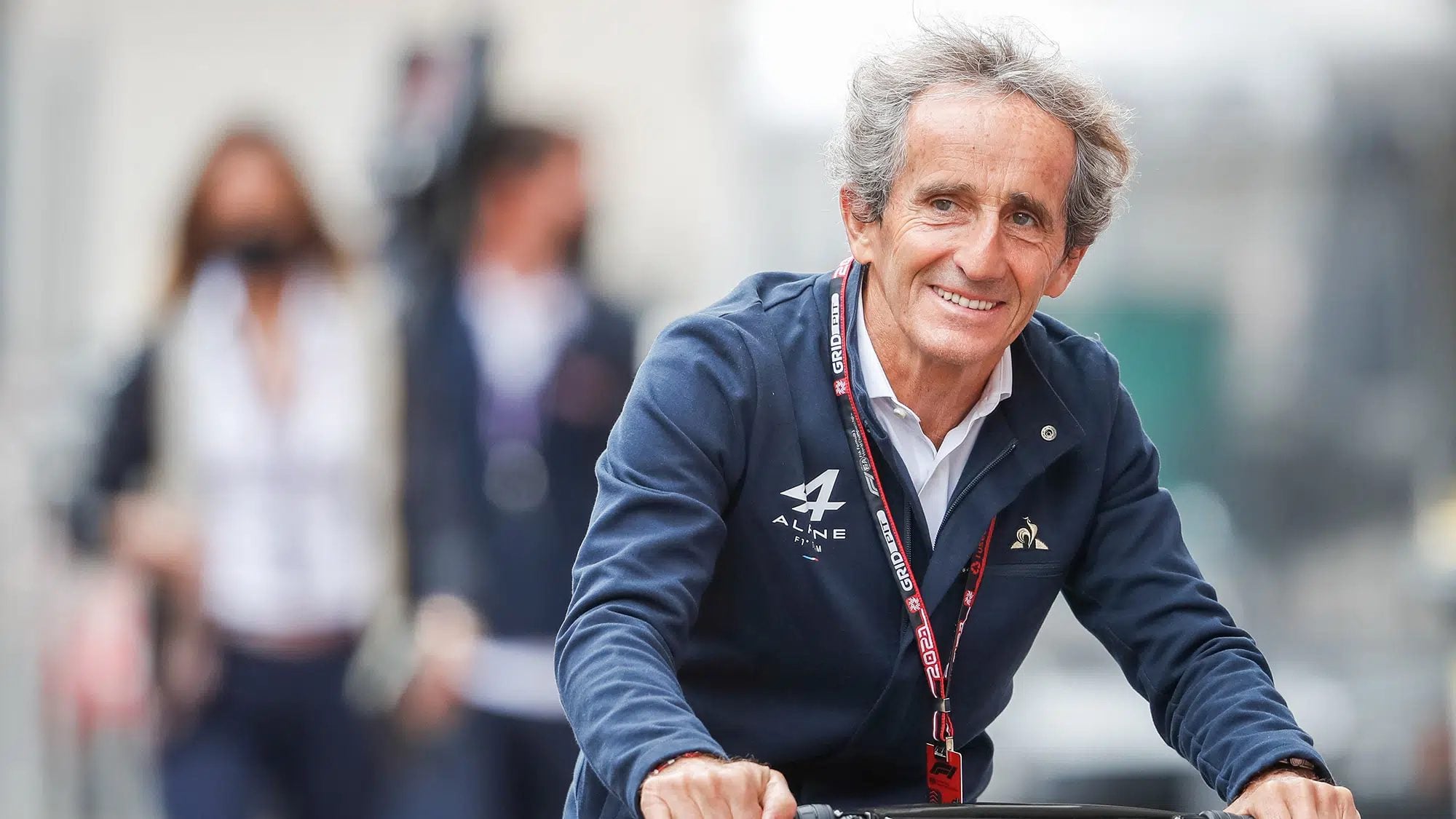
Alain Prost Reflects on Renault’s Departure from Formula 1 and the Future of Alpine
Alain Prost, a legendary figure in the world of motorsport and a four-time Formula 1 champion, recently shared his thoughts on Renault’s future in the racing category. This comes in light of the automaker’s decision to cease supplying engines to its own team, Alpine, following the 2025 season. Renault has a rich legacy in Formula 1, both as a competitive team and as an engine supplier, and its exit marks a significant shift for the sport.
The Shift in Engine Supply
Renault’s decision to withdraw from engine supply for its team is monumental. Starting in 2026, Alpine will transition to using Mercedes power units. This shift comes after a noticeable decline in the performance of Renault engines, which initially showed promise with the introduction of new regulations. However, the anticipated performance did not sustain, leading to a downward trend in the team’s results.
After finishing fourth in the championship in 2022, Alpine’s performance began to wane. The team dropped to sixth place in both 2023 and 2024, ultimately finishing at the bottom of the constructors’ championship in 2025. This decline raised concerns about the viability of Renault as a competitive force in the sport.
Alain Prost’s Perspective
Prost, who began his illustrious career with McLaren and has had a longstanding relationship with Renault, expressed his disappointment over the brand’s exit from Formula 1. Despite his sadness, he understands the financial implications that led to this decision. “I comprehend the financial reasoning behind it, especially when maintaining a team in France, where operational costs are higher than in countries like England,” Prost stated.
At 69 years old, Prost reflected on his extensive journey with Renault. He emphasized that while the brand’s departure is regrettable, it does not erase its historical contributions to the sport. “It’s unfortunate because I have a long history with them, and Renault has always been a part of Formula 1’s narrative. We are all part of that legacy,” he added.
Financial Realities and Future Challenges
Renault’s decision to exit Formula 1 is deeply rooted in financial considerations. The costs associated with competing at the highest level of motorsport are significant, and maintaining a competitive team while navigating these expenses is a daunting task. Prost highlighted the difficulties of sustaining a team based in France, where overheads can exceed those in other racing hubs.
As the sport evolves and regulations change, the challenges facing teams are becoming increasingly complex. Prost acknowledged that a return to Formula 1 for Renault may not be feasible in the near future. “It will be very challenging for them to come back. Perhaps in a long time, but for now, it’s quite difficult. Maybe in another way,” he remarked, recognizing the intricate landscape of modern motorsport.
The End of an Era
With the engine division in Viry-Chatillon now being redirected towards Alpine’s Hypercar program in the World Endurance Championship (WEC), the exit from Formula 1 signifies the conclusion of an era for Renault. Prost’s involvement with the brand has included significant contributions, including his role in establishing Renault’s Formula E team and serving as a consultant for the F1 team. His deep connection to the brand adds a layer of poignancy to its departure from the sport.
The transition to Mercedes engines represents a new chapter for Alpine, but it also raises questions about the brand’s identity and competitiveness in Formula 1. While the immediate future may appear uncertain, this shift could provide Alpine with a fresh opportunity to recalibrate and strategize for upcoming seasons.
The Legacy of Renault in Formula 1
Renault’s history in Formula 1 is rich with achievements and milestones. The brand has been integral to the sport since its inception, contributing to numerous championship victories and technological advancements. From its early days to its modern iterations, Renault has left an indelible mark on the racing world.
Prost’s connection to Renault goes beyond mere nostalgia; it reflects a deeper understanding of the brand’s impact on the sport. He has witnessed firsthand the evolution of racing technology, team dynamics, and the competitive landscape. His insights into the challenges and triumphs experienced by Renault offer a unique perspective on the broader narrative of Formula 1.
Looking Ahead: What’s Next for Alpine and Formula 1?
As Alpine prepares for its transition to Mercedes power units, the team faces a critical juncture. The decision to partner with Mercedes could redefine its competitive edge, allowing it to leverage the strengths of a proven engine supplier. However, this transition also necessitates an adjustment in strategy and team dynamics.
The return of competitive spirit is essential for Alpine, as the team aims to reclaim its position among the frontrunners in Formula 1. The integration of new technology and engineering expertise from Mercedes may provide the boost necessary to enhance performance and results on the track.
Moreover, the landscape of Formula 1 is continuously evolving, with emerging technologies, sustainability initiatives, and a focus on attracting new audiences. As teams adapt to these changes, the importance of strategic partnerships and innovation will shape the future of the sport.
The Future of Formula 1
The departure of Renault from Formula 1 invites reflection on the broader trends within the sport. The competitive environment is becoming increasingly fierce, with teams investing heavily in research and development to gain an edge. The introduction of new regulations further complicates the landscape, making it imperative for teams to remain agile and responsive to changes.
In this dynamic environment, the importance of collaboration and strategic alliances cannot be overstated. Teams must navigate the complexities of the sport while remaining focused on their long-term goals. The challenge will be to maintain competitiveness while also embracing innovation and sustainability.
Conclusion
Alain Prost’s reflections on Renault’s exit from Formula 1 illuminate the intricacies of the sport and the challenges faced by teams in today’s competitive landscape. As Alpine transitions to using Mercedes engines, the future holds both opportunities and uncertainties. The legacy of Renault in Formula 1 is undeniable, and while its departure marks the end of an era, the potential for new beginnings remains.
The world of motorsport is ever-changing, and as teams like Alpine adapt to new realities, the spirit of competition will continue to thrive. With the right strategies and partnerships, the future of Alpine and Formula 1 could lead to exciting developments and renewed competitiveness on the track.
