McLaren’s Strategy Misstep at the Qatar Grand Prix: Analyzing the Critique
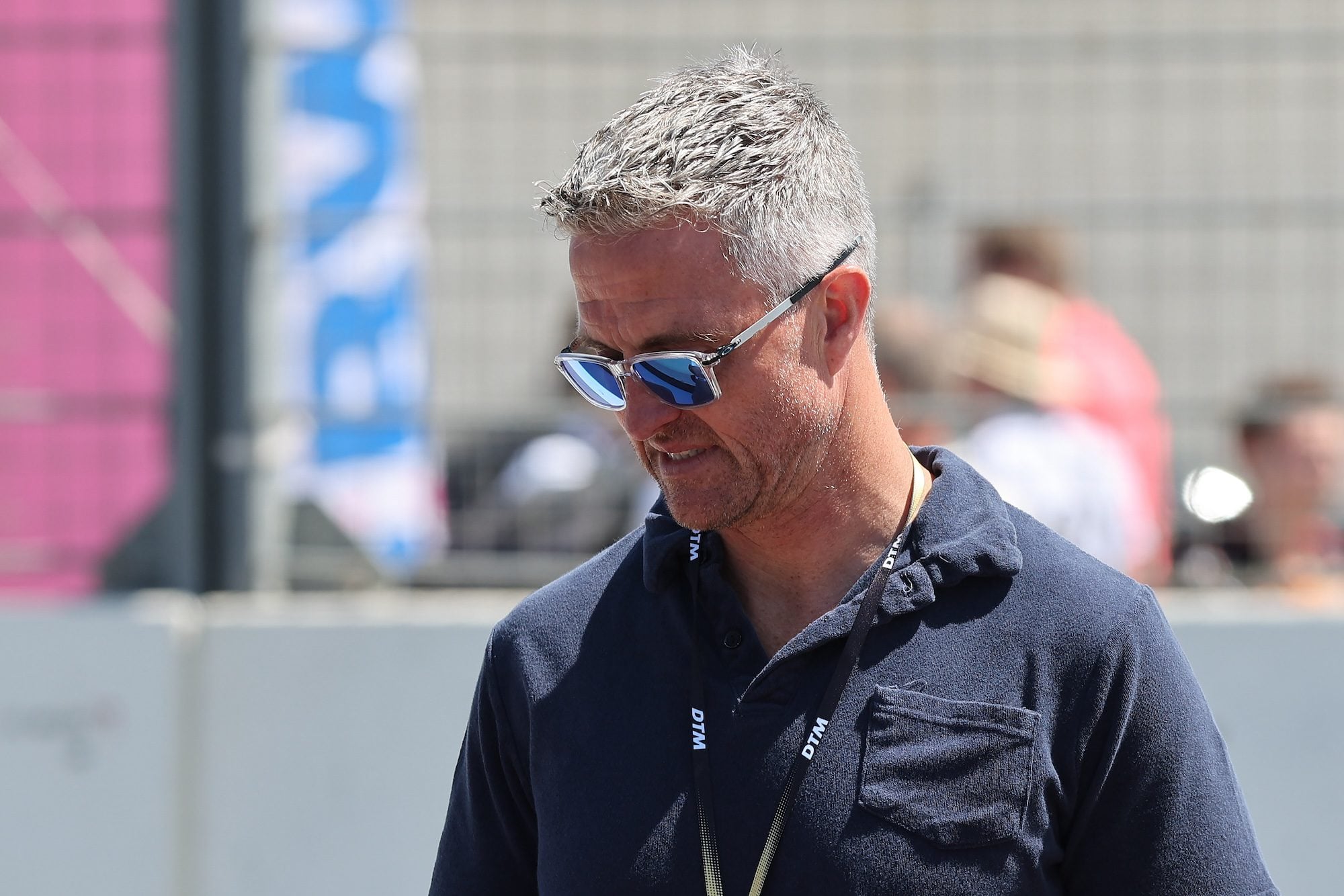
The recent decision by McLaren to keep their drivers Lando Norris and Oscar Piastri on the track during the Safety Car period at the Qatar Grand Prix has sparked significant backlash from former Formula 1 driver Ralf Schumacher. This strategic error, as Schumacher argues, not only handed the victory to Max Verstappen of Red Bull Racing but also intensified the championship battle just before the final showdown in Abu Dhabi—an outcome that could have been avoided with different decision-making.
The Context of the Race
During the Qatar Grand Prix, the deployment of the Safety Car presented a crucial moment for teams to reassess their strategies. McLaren had the opportunity to bring both drivers in for fresh tires, a decision that many believe would have significantly improved their chances. Norris ended the race in fourth place, and this result allowed Verstappen to close the gap, reducing Norris’s lead to just 12 points over the Red Bull driver. Piastri, who finished second, now finds himself 16 points behind Verstappen. The implications of this race extend beyond just points; they could potentially affect the drivers’ morale and strategy heading into the next race.
Criticism of McLaren’s Strategy
Schumacher’s critique highlights a fundamental misunderstanding of race strategy on McLaren’s part. According to him, the priority should always be given to the driver in the lead, which in this instance was Piastri. He expressed his confusion regarding team principal Andrea Stella’s admission of error, saying, “In my view, Stella essentially said, ‘The decision was mine—I made a mistake.’ I honestly don’t understand this, because the leading driver should have priority. In this case, it was Piastri.” This statement encapsulates a larger issue within McLaren’s decision-making process.
The Importance of Communication
One of the key points raised by Schumacher is the failure in communication between the drivers and the pit wall. He asserted that when decisions are being made, there should be no room for debate over the radio. “The engineer needs to take responsibility. There can’t be discussions over the radio—by the time that ends, they’ve already missed the pit lane entrance,” he emphasized. This highlights a critical area for improvement within the team, especially as they navigate the pressures of high-stakes races.
The lack of clear communication can lead to misjudgments that have significant consequences. In high-pressure environments like Formula 1, where every second counts, effective communication can be the difference between winning and losing. Ensuring that the team operates as a cohesive unit is vital for success.
Internal Challenges at McLaren
Schumacher pointed out that the strategic blunder reveals deeper issues within McLaren, particularly as the season approaches its climax. “I think something went wrong in the chain of command. There has to be someone who takes responsibility,” he stated. This observation implies that internal dynamics, including leadership and decision-making processes, need to be scrutinized and potentially restructured.
It’s not uncommon for teams to face challenges as the pressure mounts towards the end of the season. The stakes are higher, and the margin for error becomes increasingly slim. In this context, having a well-defined chain of command is essential to ensure that decisions are made swiftly and effectively.
The Role of Ambition
Schumacher also suggested that ambition might have played a role in the decision-making process at McLaren. He speculated that “someone extremely ambitious” could have influenced the choice to keep the drivers on the track, which ultimately led to negative outcomes. This brings to light the intricate balance between ambition and pragmatism in a competitive environment like Formula 1.
While ambition is crucial for success, it must be tempered with strategic thinking and a clear understanding of the race dynamics. Teams must find a way to harness their competitive spirit without compromising their strategic decisions.
The Impact on Drivers
The aftermath of this strategic misstep poses a significant challenge for McLaren, particularly in terms of restoring Piastri’s confidence. Schumacher remarked, “They cost him that victory. And Max is coming. That will be the hardest challenge.” It’s essential for teams to manage the psychological aspects of racing, especially when drivers feel they’ve been let down by their team.
Maintaining driver confidence is paramount, as it directly affects performance on the track. The relationship between a driver and their team can be fragile; any misstep can lead to a decline in trust and motivation. McLaren will need to address the fallout from this race to ensure that both Norris and Piastri are mentally prepared for the remaining races.
Looking Ahead
As the season progresses towards the final race in Abu Dhabi, McLaren faces the dual challenge of improving their race strategies and rebuilding their drivers’ confidence. The team needs to learn from this experience and implement changes that will prevent similar issues in the future. This could involve revisiting their communication protocols, evaluating their strategic decision-making processes, and ensuring that their drivers feel supported and empowered.
In the world of Formula 1, where every decision counts and the competition is fierce, teams must be agile and responsive. The pressure to perform can lead to mistakes, but it is how a team responds to those mistakes that will ultimately define their success. McLaren’s ability to adapt and learn from this situation will be critical in their pursuit of excellence in the sport.
Conclusion
In summary, McLaren’s decision to keep Lando Norris and Oscar Piastri on the track during the Safety Car period at the Qatar Grand Prix has drawn significant criticism, particularly from former driver Ralf Schumacher. The strategic mistake not only cost them a potential victory but also intensified the championship race as they head toward the season finale. As they navigate the challenges of the final races, McLaren will need to focus on improving their communication and decision-making processes to regain their competitive edge. The road ahead is fraught with challenges, but with the right adjustments, McLaren can work towards reclaiming their position in the upper echelon of Formula 1 racing.
