Red Bull Racing’s Strategic Focus: Developing the Current Car for Future Success
In the ever-evolving landscape of Formula 1, teams are constantly strategizing for both immediate performance and long-term success. Red Bull Racing, a prominent player in the racing world, has made a deliberate choice to continue the development of its existing car, aimed at addressing its shortcomings and enhancing its overall performance. Laurent Mekies, the team principal, shared insights into this strategy, emphasizing how it positions the team for future championships, particularly looking ahead to the 2026 season.
Understanding the Current Car’s Development
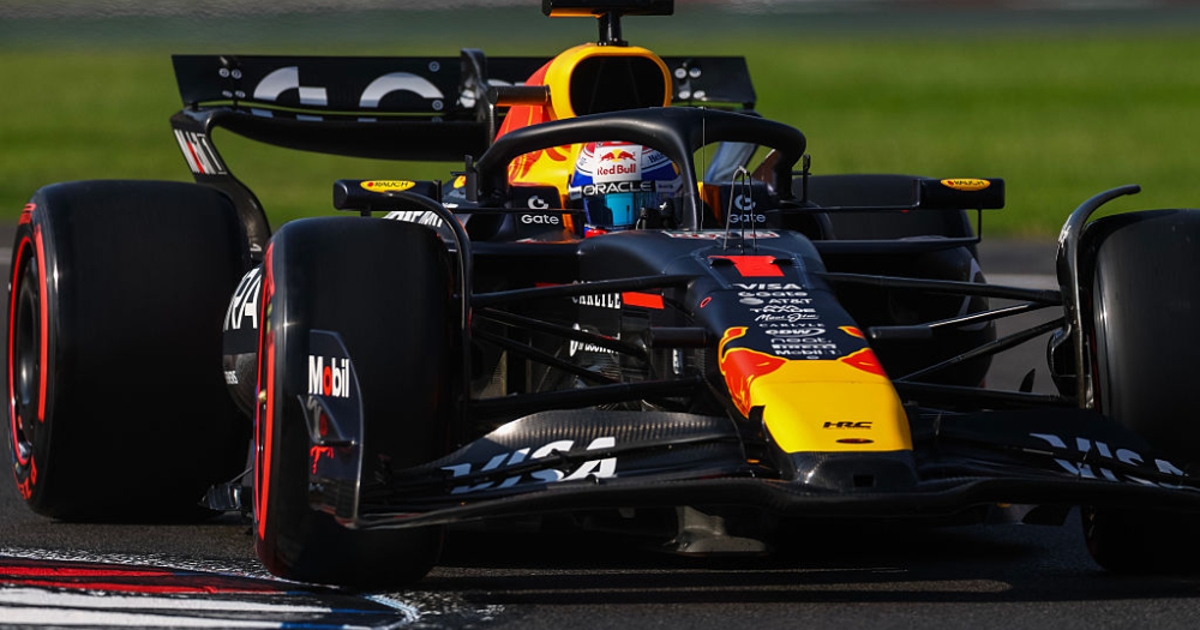
At the recent Mexico City Grand Prix, Red Bull Racing introduced further updates to the RB21, the team’s current car. This decision comes as they strive to secure the second position in the constructors’ championship while their star driver, Max Verstappen, aims for a strong finish in the drivers’ standings. While many teams have shifted their focus entirely to the cars they will be using in 2026, Red Bull’s approach is different. Mekies highlighted that the continued development of the current car is not just about performance in the present moment; it’s a strategic investment in the team’s future.
The Rationale Behind Continued Development
Mekies explained that the decision to keep pushing the limits of the RB21 is rooted in the desire to understand the car’s weaknesses. By doing so, Red Bull can avoid entering the 2026 season with unresolved issues and uncertainties. "If we were to turn the page at a point where we were dissatisfied with this car, it would lead to a lot of question marks as we transition to 2026," Mekies stated. This proactive approach allows the team to head into future seasons with greater confidence and clarity regarding their methodologies and tools.
The emphasis on learning from the current car’s performance is essential. Mekies noted, "We have preferred to invest a little bit more in this car. We tried to unlock what we felt had not worked and got a bit of performance out of it." This focus on performance improvement is not merely an indulgence but a crucial part of Red Bull’s blueprint for sustained success. By validating their approaches now, they believe it will pave the way for better results in 2026.
Balancing Development with Cost Cap Considerations
In the context of Formula 1, teams must also navigate the complexities of cost caps, which have had a significant impact on how resources are allocated. Many teams have opted to divert all resources to the development of their 2026 cars, but Mekies argues that Red Bull’s strategy is justified. He stated, "We know there is a price to pay, but we think it’s reasonable and worth it." The team believes that the insights gained from refining the current vehicle will ultimately outweigh the costs associated with this dual focus.
This commitment to understanding the current car is seen as a net gain for Red Bull Racing. Mekies emphasized that the primary goal is to validate their approaches now, ensuring that when they do transition to the 2026 car, they are equipped with the knowledge and experience gained from the current vehicle’s development.
The Championship Picture and Focus on Performance
As the season progresses, the championship standings become a pressing concern for many teams. However, Mekies made it clear that Red Bull’s focus remains on performance rather than the championship itself. Following the Mexico City Grand Prix, where Verstappen finished behind Lando Norris of McLaren, Mekies reiterated that the team would not alter its approach based on championship standings. "We are not going to change our approach," he affirmed. "What we look at is the performance of the car. That’s where the focus goes now."
This philosophy underlines Red Bull’s commitment to extracting the maximum potential from their car, regardless of where they stand in the championship. The team is dedicated to continuous improvement, ensuring that they leave no stone unturned in their quest for victory. The championship results, Mekies noted, are simply a consequence of this relentless pursuit of excellence.
Looking Ahead: Brazil and Beyond
As the team shifts its focus to the next race in Brazil, Mekies emphasized the importance of learning from the previous races. The insights gained from the Mexico City Grand Prix will inform their strategies moving forward. "What can we learn for Brazil?" he asked, highlighting the forward-thinking mindset that defines Red Bull Racing.
This approach is indicative of a broader strategy that prioritizes performance and development over short-term gains. By analyzing past performances and adapting their strategies accordingly, Red Bull aims to refine its operations continually. This cycle of learning and improvement is essential in a highly competitive environment like Formula 1.
Conclusion: A Strategic Approach to Success
Red Bull Racing’s commitment to developing its current car while simultaneously preparing for the future exemplifies a strategic approach that combines immediate performance aspirations with long-term goals. By focusing on understanding the weaknesses of the RB21, the team positions itself to enter the 2026 season with a solid foundation and a clear path forward.
This philosophy, rooted in continuous improvement and a relentless pursuit of excellence, sets Red Bull apart in the fast-paced world of Formula 1. As they navigate the challenges of the current season and prepare for the future, the lessons learned from the development of the RB21 will undoubtedly play a crucial role in shaping the team’s success in the years to come.
