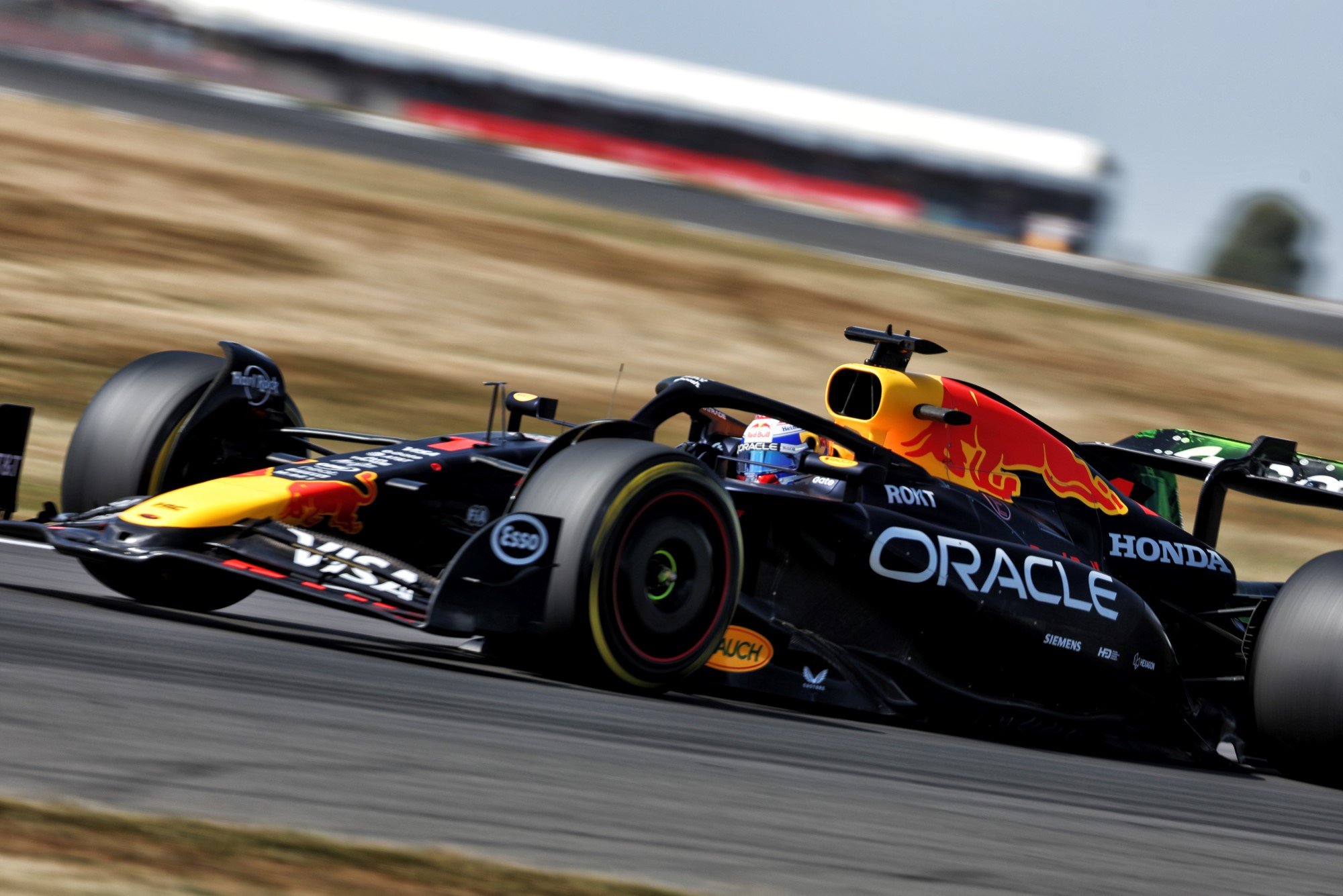
Red Bull Racing’s Technical Crisis in the 2025 Formula 1 Season
The technical issues faced by Red Bull Racing in the 2025 Formula 1 season could have potentially been averted. According to Sky Sports commentator and journalist David Croft, the team overlooked internal warnings regarding the RB21 project, which has been labeled ‘undriveable’ by its own engineers. The car’s disappointing performance this season has severely compromised Max Verstappen’s championship ambitions, causing his points deficit to Oscar Piastri to balloon to 69 points following the British Grand Prix. In the Constructors’ Championship, Red Bull has slipped to fourth place, trailing the dominant McLaren by a staggering 288 points.
Ignoring Internal Warnings
In a recent episode of the Sky Sports F1 podcast, Croft shared insights he received from sources within the Silverstone paddock. He revealed that the team opted to pursue a car design based on maximum performance data, neglecting crucial considerations regarding its drivability. "I was told at the British Grand Prix that Red Bull essentially designed the fastest car possible according to the data, but it is undriveable. They were warned about this by their own design team, but those warnings went unheeded," he stated.
This oversight raises significant questions about the team’s decision-making processes. It appears that the pursuit of speed may have taken precedence over the fundamental aspect of making a car that drivers can effectively handle on the track. This miscalculation is not only impacting Verstappen but also his teammate, Yuki Tsunoda, who has struggled to adapt to the RB21 after stepping in for Liam Lawson after just two races this season.
Yuki Tsunoda’s Struggles
Tsunoda’s situation is emblematic of the challenges that Red Bull is currently grappling with. The Japanese driver has not managed to acclimate to the RB21’s characteristics, and Croft expressed a desire to see better performances from him. "We want to see Yuki doing better, but he has been struggling with this car for several races," Croft noted. This struggle not only reflects on Tsunoda’s abilities but also highlights the broader technical issues plaguing the team.
The difficulties faced by both drivers underscore the importance of a well-balanced car in Formula 1. A car that is fast on paper but difficult to handle can lead to frustration for drivers and, ultimately, subpar results on the track. The inability to make necessary adjustments has left the team in a precarious position as the season progresses.
Verstappen’s Perspective
Max Verstappen, for his part, attempted to maintain a positive outlook following a fifth-place finish at Silverstone, despite having spun during the race. "We are trying to find more performance. Last year, we also had issues with the car’s balance, and that has affected this year’s development as well," the Dutch driver remarked. His acknowledgment of the McLaren team’s superior performance indicates a recognition of the challenges faced by Red Bull.
Verstappen’s comments reflect the realities of Formula 1, where the performance of teams can fluctuate dramatically from one season to the next. "Perhaps we can’t reach their level. Probably not. That’s how F1 is. Sometimes you have dominant years, and other times, you don’t," he added. This admission highlights the unpredictability of the sport and the constant need for teams to innovate and adapt to changing circumstances.
The Impact of Adrian Newey’s Absence
Another significant factor contributing to Red Bull’s current predicament is the absence of Adrian Newey, the team’s legendary chief technical officer who transferred to Aston Martin this year. Croft suggested that the team might be feeling Newey’s absence more acutely than they would like to admit. "Perhaps they are missing Newey a lot more than Christian Horner (now the former team principal) has stated or even imagined," he commented.
Newey’s departure marks a pivotal moment for Red Bull Racing. His engineering prowess has been instrumental in the team’s previous successes, and his influence on car design has set a high standard. With his absence, the team faces the challenge of maintaining their competitive edge without his guidance. The pressure to deliver results in his absence may contribute to the team’s current struggles.
The Future of Max Verstappen
As Red Bull faces a technical decline and the recent announcement of Horner’s departure, speculation surrounding Verstappen’s future in the sport has intensified. Although he is under contract until 2028, there are performance clauses that could allow him to exit at the end of 2025. Rumors about a potential move to Mercedes are circulating, adding another layer of complexity to the situation.
The prospect of Verstappen leaving Red Bull raises questions about the team’s ability to attract and retain top-tier talent amidst ongoing challenges. As one of the sport’s premier drivers, Verstappen’s decisions will undoubtedly have significant implications for both his career and the future trajectory of Red Bull Racing.
Conclusion
The challenges faced by Red Bull Racing in the 2025 Formula 1 season highlight the intricate balance between speed and drivability in car design. Internal warnings overlooked, struggles of drivers adapting to the RB21, and the absence of a key technical leader all contribute to a narrative of adversity for the team. As the season unfolds, the implications of these issues will continue to reverberate throughout the paddock, shaping the future of one of Formula 1’s most renowned teams.
