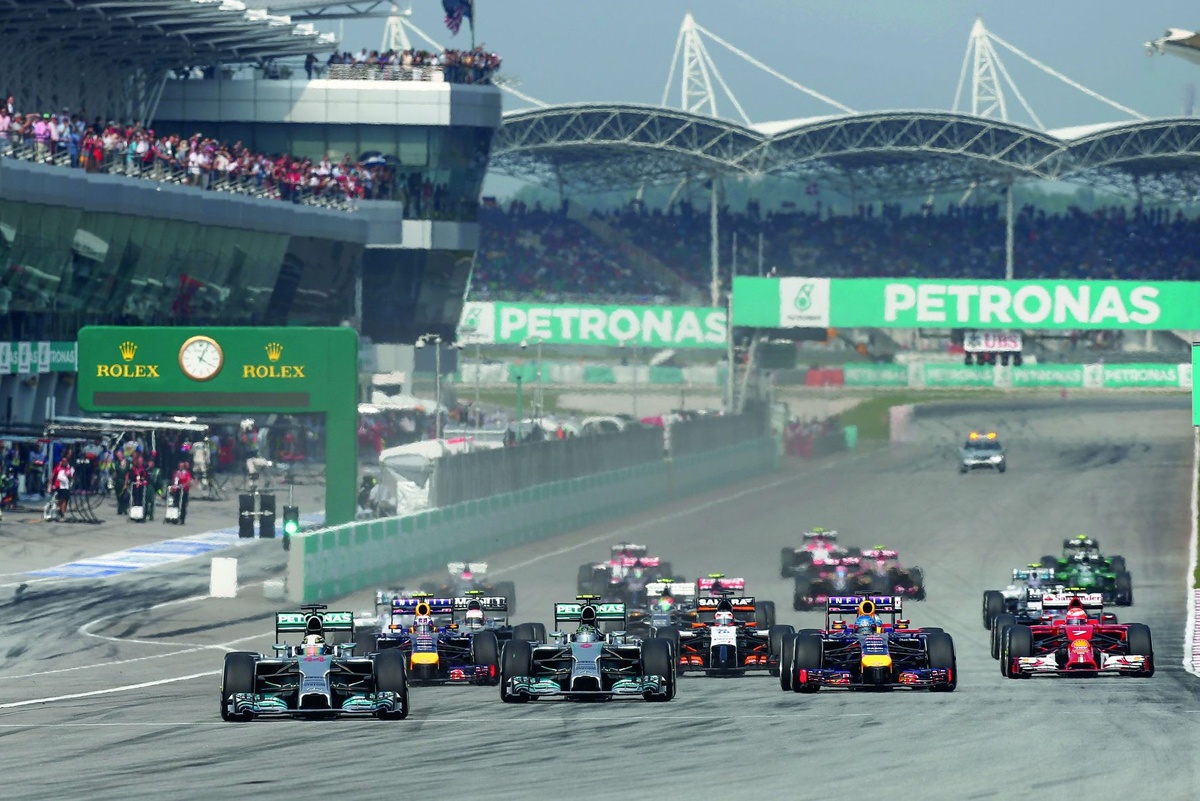
The Future of the Malaysian Grand Prix: A Look at Sepang International Circuit
The Sepang International Circuit, a landmark in the world of motorsport, has not dismissed the idea of reintroducing the Malaysian Grand Prix to the Formula 1 calendar. This comes despite the Malaysian government’s refusal to provide financial backing for the event. The circuit has a rich history in Formula 1, having hosted its first Grand Prix in 1999, but it was taken off the schedule after the 2017 season when Liberty Media acquired F1 from CVC Capital Partners.
The Shift in Formula 1’s Landscape
In recent years, Formula 1 has witnessed a significant transformation under new management. With Liberty Media at the helm, the sport has enjoyed a surge in popularity, leading to record attendance figures at various circuits around the globe. This resurgence has prompted circuits worldwide to reevaluate their potential to host F1 races. The Sepang management believes that the decision to discontinue the Malaysian GP was a misstep and is eager to see it return to the F1 calendar.
As the financial landscape of F1 improves, Sepang’s management has taken a proactive stance, advocating for the revival of the Malaysian Grand Prix. They argue that the event was beneficial for the region and the sport alike. However, the Malaysian government has reiterated its stance against funding the race, making it clear that it won’t be providing financial support for the event. Reports suggest that Liberty Media has set a hosting fee of approximately $70 million, which poses a significant barrier to re-establishing the Grand Prix in Malaysia.
Hurdles in the Return of the Malaysian Grand Prix
Despite the challenges, the Sepang International Circuit remains optimistic about the future. Azhan Shafriman Hanif, the CEO of Sepang, expressed his belief that Formula 1 will eventually return to Malaysia, albeit not in the immediate future. He noted, “I think the government’s effort right now is solely focusing on what the public needs rather than spending millions of dollars and ringgit to pay for Formula 1.”
In discussions about hosting a Formula 1 race without government financial support, Shafriman stated, “I wouldn’t say it’s impossible. We just need to find the right partner to come in.” The search for a suitable partner willing to invest in the event is crucial, as potential sponsors and stakeholders would need to understand the return on investment for such a high-cost endeavor.
Infrastructure and Competitive Landscape
The Sepang International Circuit boasts modern facilities and an infrastructure that meets international standards, positioning it as a strong contender for hosting F1 races. However, the current F1 calendar is saturated, with 24 races already scheduled, which complicates the potential inclusion of new or returning circuits. Shafriman acknowledged the crowded nature of the calendar, emphasizing the need for continuous improvements and adaptations to remain competitive.
“There’s a lot of competition out there. We are not the only ones pursuing Formula 1. Other countries are lining up to host races as well,” he remarked. Countries like Thailand are vying for a spot on the calendar, with the Thai government having earmarked $1.2 billion for a proposed street race in Bangkok. Other contenders, including Rwanda and Argentina, are also looking to make their mark in the world of Formula 1.
Potential Opportunities for Sepang
While the competition is fierce, potential openings on the F1 calendar may arise in the coming years. For instance, the Zandvoort circuit is set to drop out after the 2026 season, and Spa-Francorchamps will join a rotation system that will see it not hosting races in 2028 and 2030. These changes could create opportunities for the Sepang International Circuit to make a case for its inclusion in future seasons.
Shafriman remains hopeful about these possibilities, stating, “If ever Formula 1 were to come back, we are ready to host.” He underscored that while there are challenges ahead, the circuit’s management is committed to preparing for the possibility of hosting F1 races again.
The Future of MotoGP at Sepang
In addition to its aspirations for Formula 1, the Sepang International Circuit is also focused on maintaining its status as a key venue for MotoGP. The current contract for hosting MotoGP events is set to expire at the end of 2026, but the circuit is optimistic about securing a new multi-year agreement by the beginning of next year. With Liberty Media holding a majority stake in the rights holders of MotoGP, Dorna Sport, there is potential for synergy between the two motorsport events.
Shafriman emphasized the importance of MotoGP to the circuit, stating, “At the moment, our main goal and our main aim is to continue hosting MotoGP in the future.” He expressed a desire to bring additional international racing events to Sepang beyond MotoGP, highlighting the circuit’s versatility and readiness to host a variety of motorsport events.
Conclusion
The Sepang International Circuit stands at a crossroads, balancing its aspirations for a return of the Malaysian Grand Prix with the realities of financial constraints and stiff competition from other nations. While the future of Formula 1 in Malaysia remains uncertain, the circuit’s management is committed to pursuing opportunities and partnerships that could pave the way for its eventual return to the F1 calendar. As the motorsport landscape continues to evolve, Sepang remains a pivotal player in the conversation about the future of racing in the region.
