Improving Formula 1 Stewardship: A Call for Permanent Officials
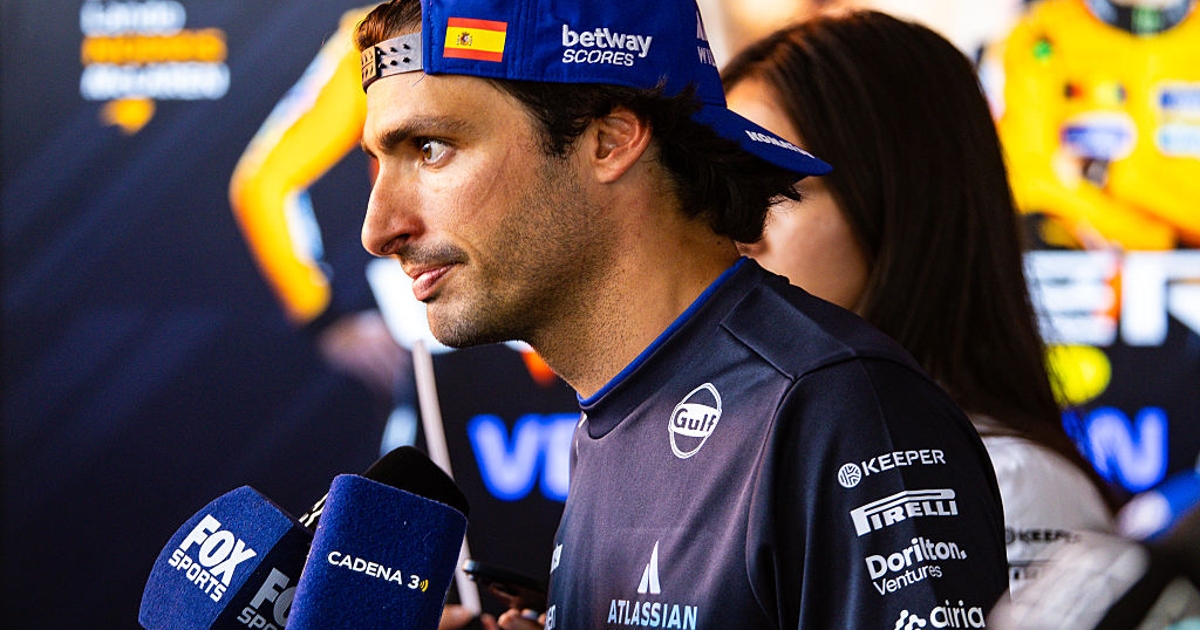
Carlos Sainz, a prominent figure in Formula 1, has voiced his opinion on the need for a more consistent approach to officiating in the sport. He believes that having permanent stewards would enhance the overall experience for drivers and teams, providing them with a clearer understanding of how incidents will be managed during races. This topic has gained traction, especially following Williams’ successful petition to review the penalty issued to Sainz during the Dutch Grand Prix. In this race, Sainz received a 10-second time penalty along with two penalty points for causing a collision with fellow driver Liam Lawson.
The Issue of Inconsistent Decision-Making
After Williams successfully appealed the penalty, Sainz expressed his uncertainty regarding the decision-making processes employed by race stewards. He pointed out that there appears to be inconsistency in how incidents are handled during races. In some cases, stewards make immediate decisions, while in others, they opt to discuss the matter with the drivers involved after the race has concluded. This unpredictability can create tension and confusion among drivers.
Sainz remarked, “I don’t know how they approach each situation, whether they’re going to leave it for later or decide in the moment.” He acknowledged that various pressures—stemming from media, fans, and drivers—contribute to the urgency felt by stewards to reach a conclusion before the race ends. This pressure can lead to hasty decisions that may not always reflect the true nature of the incident.
The Impact of Delayed Decisions
The desire for immediate clarity is palpable in the high-stakes environment of Formula 1. Drivers and teams often prefer to know the outcome of incidents right after the race rather than waiting hours for a ruling. Sainz highlighted this aspect, stating that the need for quick resolutions could be influencing stewards’ decisions. “I think we are all unconsciously – or consciously, maybe – putting a bit of pressure on the stewards to take decisions during the race rather than after,” he noted.
Sainz believes that a consistent set of stewards for every race would alleviate some of the confusion. He explained that if drivers worked with the same officials regularly, they could better predict how particular incidents might be judged based on previous patterns. “It’s very difficult to know and understand if it’s coming or not,” he added, emphasizing the challenges posed by having different stewards for each event.
The Need for Permanent Stewards
Sainz advocates for a system where permanent stewards are appointed to oversee races. He argues that this would not only improve the consistency of decisions but also foster a better understanding between drivers and officials. “If I knew the referees were always the same in every race, I would know by pattern and by years of working with the same referees if they were going to judge that incident in that moment or not,” he explained.
Despite his strong viewpoint, Sainz acknowledges that not all drivers share his perspective on the matter. He understands the concerns raised by those who fear that permanent stewards could be biased towards certain drivers. “I think not everyone agrees the same way that they can use the argument of football,” he said, referencing how different sports manage officiating. In football, for example, the rotation of referees is common, yet complaints are infrequent.
Balancing Fairness and Consistency
One of the key arguments against permanent stewards revolves around the potential for bias. Critics worry that if a steward consistently officiates races, they might develop a personal bias, particularly if a driver repeatedly finds themselves in contentious situations. Sainz acknowledged this concern, stating, “There could be a guy that if he gets penalized two or three times, he will start saying, ‘It’s that steward that hates me.’”
However, Sainz believes that the benefits of having a stable officiating crew outweigh the drawbacks. He pointed to the positive changes he’s witnessed with the current race director, Rui Marques, who has been in charge for a significant period. “I’m really enjoying this new race director, the approach he has, and we’re starting to understand the kind of decisions that he’s going to take,” Sainz noted. He appreciates the growing relationship between drivers and the race director, which has developed over time.
The Review Process: A Step in the Right Direction
Although Sainz believes that the current officiating structure could be improved, he expressed satisfaction with how the penalty review process unfolded in his case. After the Dutch Grand Prix, he was visibly upset about the situation, feeling that the penalty was unjust. However, when he approached the stewards for a discussion, he found them open to dialogue and willing to consider his point of view.
“There were enough mechanisms to open the discussion again,” he said, reflecting on the positive outcome of the review process. The fact that the FIA allowed for a reconsideration of the penalty and ultimately rescinded both the time penalty and the points was a sign of progress in the governance of the sport.
Encouraging Open Dialogue
Sainz emphasized the importance of communication between drivers and stewards. He believes that open dialogue can lead to better understanding and improve the decision-making process. “The fact that they even took the opportunity to revert or cancel the penalty points and the penalty itself is a good sign,” he asserted.
While he does not advocate for a one-size-fits-all approach to penalties, Sainz insists that obvious cases, like his own, should have mechanisms in place to allow for a fair review. The potential for reconsideration indicates a willingness to learn from past mistakes and refine the officiating process.
The Future of Officiating in Formula 1
As Formula 1 continues to evolve, the conversation around officiating remains crucial. Drivers like Sainz are at the forefront of advocating for change, pushing for reforms that would enhance the integrity of the sport. The introduction of permanent stewards could represent a significant shift in how races are officiated, potentially leading to a more consistent and fair environment for all competitors.
With the ongoing discussions about the role of officials and the impact of their decisions on race outcomes, it is clear that the topic will remain relevant in the future. Whether through permanent appointments or improved communication strategies, the goal is to create a system that prioritizes fairness, transparency, and the overall enjoyment of the sport.
In conclusion, the evolving landscape of Formula 1 officiating calls for innovative solutions that respond to the needs of drivers and teams. Sainz’s insights shed light on the complexities of race management and underscore the critical role that stewards play in shaping the outcomes of races. By considering reforms like permanent stewardship, the sport can take significant strides toward ensuring that every driver has a fair shot at success, ultimately enhancing the competitive spirit that lies at the heart of Formula 1 racing.
