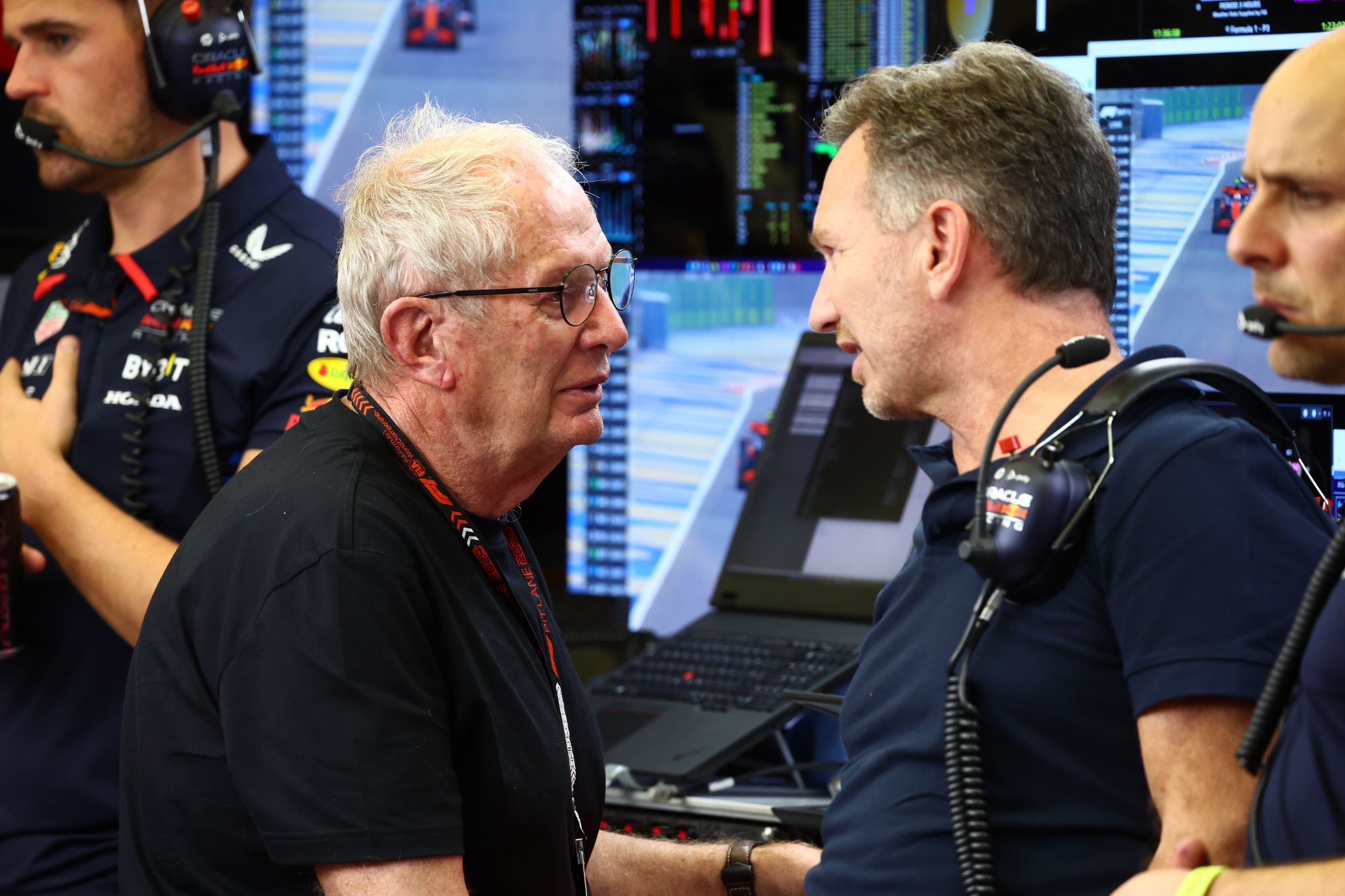
Ralf Schumacher’s Perspective on Christian Horner’s Position at Red Bull Racing
Ralf Schumacher recently shared his insights on the dynamics within Red Bull Racing, particularly regarding Christian Horner’s role and the commentary made by Helmut Marko. The former Formula 1 driver offered a unique viewpoint that contrasts with Marko’s narrative, suggesting that the Austrian consultant has no valid reasons to complain about Horner’s leadership.
Insights from Ralf Schumacher
In an interview with Sky Sports Germany, Schumacher highlighted a noticeable divide within Red Bull’s organizational structure. He stated, “It became clear: there were two sides,” referring to the internal atmosphere of the team. This statement sheds light on the complexities and factions that may exist within high-stakes racing environments like that of Red Bull Racing.
Schumacher pointed out that Marko had previously been in a position to part ways with Horner during the lifetime of Dietrich Mateschitz, the co-founder of Red Bull. He remarked, “As much as I like Helmut, I need to remind him that even when Dietrich Mateschitz was still alive, he had the opportunity to dismiss Horner.” At that time, the two were reportedly close allies, united by a common goal.
The Relationship Between Marko and Horner
According to Schumacher, the relationship between Marko and Horner was more complex than it appears. He mentioned that during Mateschitz’s life, there were significant plans involving both Marko and Horner. “In fact, they were planning to do a major deal together. I won’t disclose specifics now, as that wouldn’t be entirely fair, but Marko knows exactly what I’m referring to,” he stated, hinting at the strategic dealings that could have influenced their current professional standing.
Schumacher also pointed out that Mateschitz had shown signs of dissatisfaction with Horner. “At that time, Mateschitz wanted to get rid of Horner because he didn’t consider him loyal. This situation also didn’t sit well with Mateschitz, particularly since Marko did not take action against Horner,” he noted. This revelation suggests a deeper level of scrutiny and tension within the team’s hierarchy, emphasizing the intricate relationships that can affect team dynamics.
The Impact of Mateschitz’s Passing
Following the passing of Mateschitz, Schumacher believes that Horner’s position within Red Bull has strengthened considerably, largely due to his relationship with the Thai shareholder of Red Bull. “Especially after Mateschitz died, Horner gained a strong position thanks to the Thai shareholder, with whom he had a very good relationship that he deliberately built,” Schumacher explained. This shift in power dynamics has reportedly left the Salzburg side of Red Bull, including Marko, feeling somewhat powerless.
This change illustrates how leadership structures can evolve in response to significant changes in ownership or management. Horner’s ability to cultivate strong ties with key stakeholders has been pivotal in solidifying his role within the team.
Marko’s Perspective on the Current Situation
While Schumacher acknowledges that Marko may have valid points regarding the current state of affairs, he also suggests that the situation could have been managed differently. “That’s exactly why I have to say, Marko is right, but also, this is a bit of ‘airing dirty laundry’ that he could have avoided himself. This is simply the situation now,” he concluded. This sentiment encapsulates the idea that while there may be legitimate concerns about Horner’s leadership, how those concerns are expressed can significantly impact team cohesion and public perception.
The Importance of Leadership in Formula 1
Leadership plays a crucial role in the success of any Formula 1 team. The dynamics between figures like Horner and Marko can greatly influence not only internal operations but also the overall performance on the track. A unified leadership approach is essential for navigating the pressures and challenges of the competitive racing environment.
In high-stakes sports like Formula 1, the relationships among team members, including management, drivers, and engineers, are vital to achieving success. The interplay of personalities and strategies can either propel a team to victory or contribute to its downfall. Understanding the intricacies of these relationships, as Schumacher has pointed out, can provide valuable insights into how teams operate.
The Future of Red Bull Racing
As Red Bull Racing continues to navigate the challenges of the racing season, the interplay between Horner and Marko will undoubtedly remain in the spotlight. Their ability to work together, despite their differences, will be essential for the team’s performance and overall success. As Schumacher has articulated, the past relationships and decisions made by both individuals will shape the future of the team.
The ongoing developments within Red Bull Racing serve as a reminder of the complexities involved in managing a successful Formula 1 team. The balance of power, loyalty, and strategic decision-making are all factors that can influence a team’s trajectory.
Concluding Thoughts on Team Dynamics
In conclusion, Ralf Schumacher’s analysis provides a compelling look into the internal workings of Red Bull Racing. His comments about the relationships between key figures like Christian Horner and Helmut Marko illuminate the challenges and intricacies of leadership in such a competitive field. As the team moves forward, the dynamics between these individuals will continue to play a significant role in shaping the organization’s future and its performance on the racetrack.
Understanding these relationships is crucial for anyone interested in the workings of Formula 1, as they highlight the delicate balance required to maintain a successful team. The insights from Schumacher remind us that behind the glitz and glamour of racing lies a complex web of interactions that can ultimately determine success or failure.
