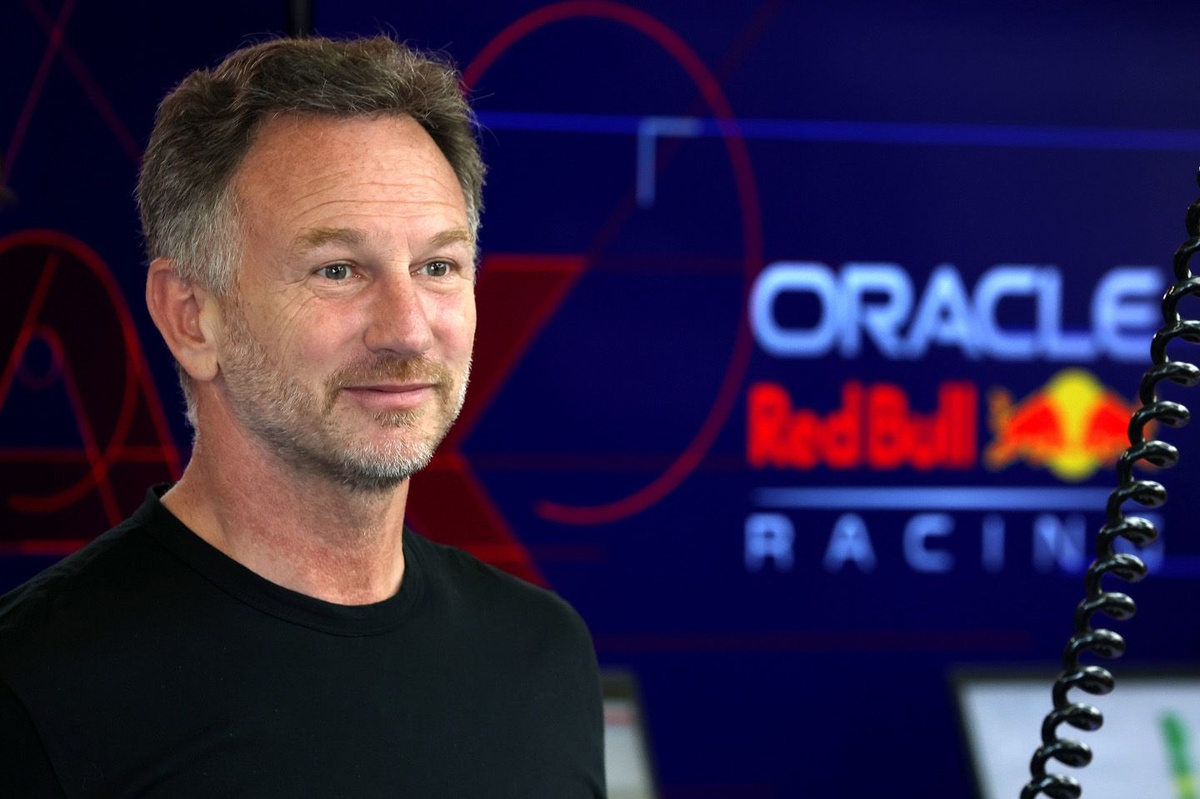
Red Bull Racing’s Leadership Change: A New Era Ahead
In a significant move that has sent ripples through the world of Formula 1, Red Bull Racing has decided to replace its long-serving team principal, Christian Horner, with Laurent Mekies, the head of Racing Bulls. This transition comes at a time when Red Bull Racing is facing notable challenges on the track, with their star driver, Max Verstappen, now seemingly out of the running for the 2025 championship title. The team has struggled to find its footing, with the second car consistently failing to secure valuable points. This begs the question: will Horner’s departure and Mekies’ appointment provide Red Bull with the fresh impetus necessary to reclaim its competitive edge as Formula 1 approaches a new regulatory era in 2026?
The Decline of Red Bull’s Dominance
Red Bull Racing was once synonymous with dominance in Formula 1, but recent performances have revealed a stark contrast to their former glory. In 2023, the team achieved remarkable success, winning nearly every race, but that success has since waned. Now, they find themselves in a position where they are struggling to even secure podium finishes. The decline in performance can be attributed to a multitude of factors, but ultimately, the leadership of Christian Horner has come under scrutiny.
For over two decades, Horner has been at the helm, guiding Red Bull through both triumphs and tribulations. However, as the competitive landscape of Formula 1 continues to evolve, many believe that the time for a change was long overdue. The current struggles of the team raise questions about Horner’s ability to lead effectively in this new era of racing.
The Signs of Change
Horner’s departure, while perhaps surprising to some, had been anticipated by many within the F1 community. The team’s downward trajectory had been evident for some time, with key personnel leaving and the atmosphere within the organization becoming increasingly tense. The pressure on Horner intensified after the passing of Dietrich Mateschitz in October 2022, a pivotal moment that marked the beginning of a significant shift within the team.
As Red Bull Racing experienced internal strife and external challenges, the need for a fresh perspective became increasingly clear. The decision to replace Horner mid-season reflects a desire for stability and a renewed focus on rebuilding the team’s competitive edge. The transition to Mekies, who brings a wealth of experience from various organizations, is seen as a strategic move aimed at restoring Red Bull’s status in Formula 1.
The Context of Horner’s Departure
Horner’s tenure has not been without its controversies. The scandal that rocked Red Bull last winter created an atmosphere of uncertainty, leading many to speculate about his future. Despite overcoming some initial challenges, the lingering effects of that scandal seemed to cast a shadow over his leadership. While he managed to maintain a semblance of stability, the underlying issues continued to fester, ultimately culminating in his departure.
The timing of this change raises questions about the overall direction of the team. While some may argue that it was necessary for unity and peace within the organization, others believe that the decision could have been made sooner, potentially allowing for a more comprehensive preparation for the upcoming regulatory changes in 2026.
The Role of Internal Dynamics
Internal power struggles within Red Bull Racing have undoubtedly played a significant role in the decision to replace Horner. The departure of key figures, such as Adrian Newey and Rob Marshall, has left a void that is difficult to fill. The loss of experienced personnel can have a cascading effect on team performance, making it challenging to maintain competitiveness in the face of evolving regulations.
Mekies, though capable and experienced, may find himself facing an uphill battle as he attempts to navigate the complexities of the current situation. His promotion signifies a commitment to long-term success, but the immediate impact on performance may be minimal. As the team shifts its focus toward future projects, including their engine development, the challenges of the current season loom large.
The Path Forward: What Lies Ahead for Red Bull Racing?
As Red Bull Racing embarks on this new chapter under Mekies’ leadership, the team faces a critical juncture. The need for a reset has become increasingly evident, and Mekies’ experience could provide the fresh perspective necessary to navigate the complexities of the sport. However, the question remains: can he effectively address the challenges that have plagued Red Bull in recent times?
The transition period may not yield immediate results, as the team grapples with the consequences of past decisions and the departure of influential figures. Nevertheless, the appointment of a new team principal reflects an understanding within the organization that a fresh approach is needed to regain lost ground.
The Importance of Leadership in Formula 1
Leadership in Formula 1 is a multifaceted challenge that requires a delicate balance of technical knowledge, strategic vision, and interpersonal skills. A successful team principal must not only manage the logistics of the team but also foster a culture of collaboration and innovation. The dynamics within a team can significantly influence performance on the track, making effective leadership a critical factor in achieving success.
As Mekies takes the reins, he will need to establish a clear vision for the future while addressing the concerns of both the drivers and the engineering team. Building trust, fostering collaboration, and encouraging open communication will be essential for creating a cohesive team environment that can thrive in the competitive world of Formula 1.
A New Era in Formula 1
The landscape of Formula 1 is constantly evolving, and with the introduction of new regulations in 2026, teams must adapt to remain competitive. Red Bull Racing’s decision to replace Horner signals a willingness to embrace change and seek out new opportunities for growth. The success of this transition will depend on Mekies’ ability to implement effective strategies and inspire the team to rise to the challenges ahead.
As Red Bull Racing looks toward the future, it is crucial for the organization to learn from the past while also embracing innovation. The combination of experienced leadership and fresh perspectives could pave the way for a resurgence in performance, allowing the team to reclaim its position among the elite in Formula 1.
By addressing internal dynamics, fostering a culture of collaboration, and investing in long-term strategies, Red Bull Racing can set itself on a path to recovery and success in the ever-competitive world of Formula 1. The next few seasons will be critical in determining whether the team can rebound and thrive under new leadership, ultimately shaping the future of Red Bull Racing in this exciting era of motorsport.
