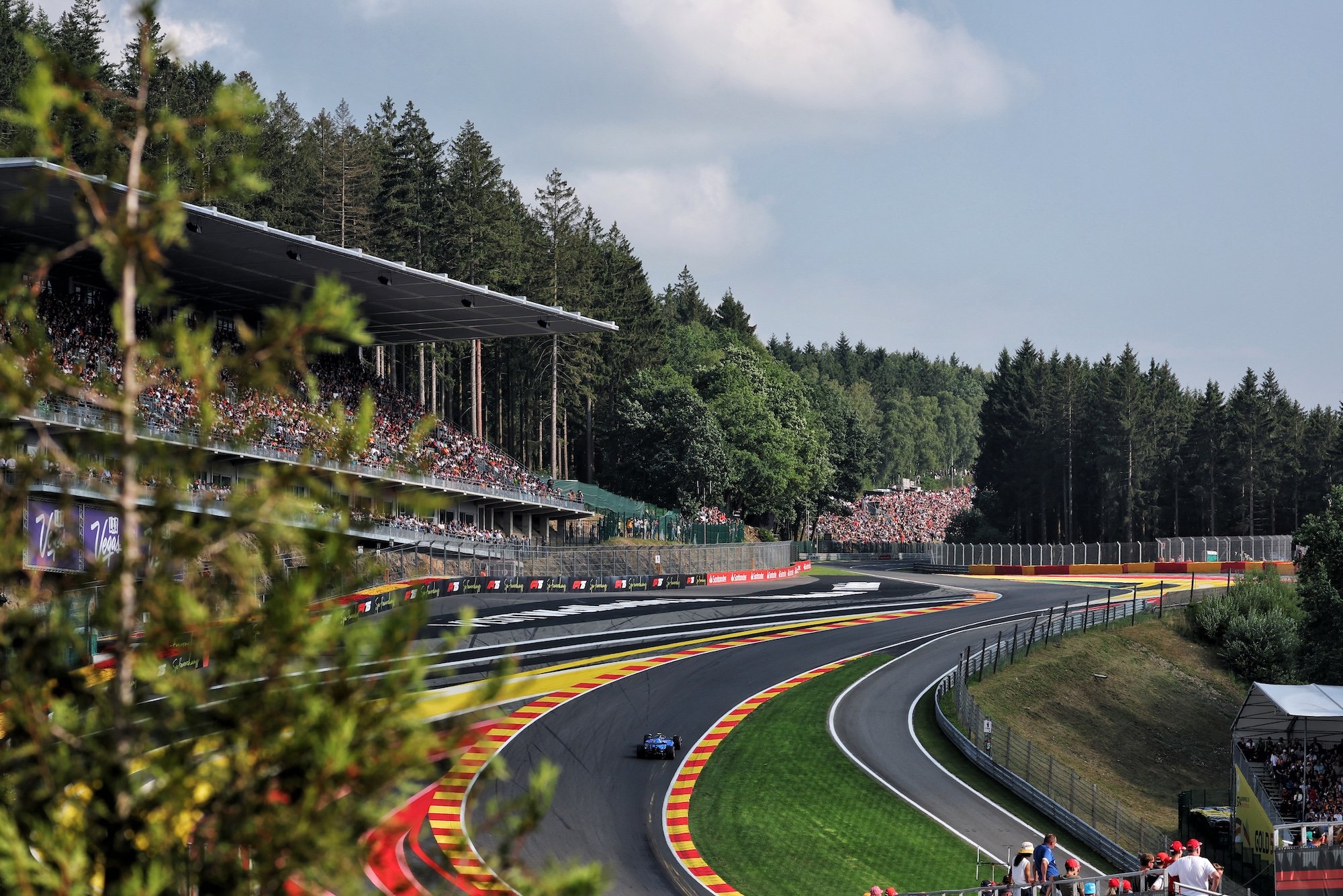
Spa-Francorchamps: The Future of Formula 1 in Belgium
The Spa-Francorchamps circuit, located in Belgium, is set to continue hosting Formula 1 races even after the expiration of its current contract, which includes four races between 2026 and 2031. This arrangement is part of a rotational calendar system. This important information was shared by Melchior Wathelet, the president of the iconic racetrack, in a conversation with a Dutch publication focused on motorsports.
Current Contract and Future Possibilities
Under the agreement established with Liberty Media, the circuit will not host races in 2028 and 2030. However, Wathelet has not ruled out the possibility of the historic Belgian track welcoming Formula 1 events in those years. "There might be races in the other two years as well – I’m not dismissing anything," he stated, hinting at flexibility in the scheduling.
Wathelet, who previously served as Belgium’s Deputy Prime Minister and now oversees the organization of the Belgian Grand Prix, elaborated on the situation. While the initial plan calls for substituting Spa-Francorchamps with other circuits during the 2028 and 2030 seasons, unforeseen circumstances could allow for the return of the Grand Prix. "In principle, there will be another circuit on the calendar during those years. But what if that doesn’t happen or it doesn’t work out? We would be more than happy to fill in the gap. The contract guarantees a minimum of four races – not a maximum," he emphasized.
The Rising Popularity of the Belgian Grand Prix
Wathelet attributes the increasing success of the Belgian Grand Prix to the influence of various series and films centered around Formula 1. He noted a significant shift in the demographics of the event’s attendees. "Around a third of our visitors are under 34 years old, and approximately one-third are women. There’s a fantastic mix, which is exactly what we want. This diversity helps keep the sport appealing, especially in Europe, where competition for attention is fierce," he explained.
The president recognized that negotiations with Liberty Media have been challenging but praised the backing of the government, which played a crucial role in securing the agreement. "They [Liberty Media] really ensure a very positive image for Formula 1. The sport is very strong right now. Many countries want to host a race, and this is causing the calendar to change more and more," he remarked.
Contract Security and Future Prospects
Despite uncertainties regarding the 2028 and 2030 races, Wathelet celebrated the security afforded by the new contract. "Now we have a six-year agreement with four races, which gives us a medium-term perspective. Our priority was to secure the event at least until 2027. And even after that, like in 2029 and 2031," he stated. He acknowledged that while it’s possible there may not be a race in 2028 and 2030, it is also possible that one could occur, though he refrained from assigning any specific probabilities to those outcomes.
New Circuits on the Formula 1 Calendar
As Formula 1 continues to evolve, new circuits are being introduced into the calendar. A notable example is the Spanish Grand Prix, which will take place at the newly constructed Madring circuit. This track is set to make its debut next year, replacing the Italian circuit of Imola in the lineup.
The introduction of new tracks keeps the championship fresh and exciting, not only for fans but also for drivers who relish the challenge of mastering diverse racing environments. The dynamic nature of the Formula 1 calendar is a key aspect of what makes the sport appealing to a broad audience.
Conclusion
The future of Spa-Francorchamps as a host of Formula 1 races remains a topic of interest among motorsport enthusiasts. With its rich history and passionate fan base, the circuit is poised to continue playing a significant role in the world of Formula 1. The ongoing discussions between the track’s management and Liberty Media indicate a commitment to keeping this iconic venue in the mix for years to come.
As the landscape of Formula 1 continues to change with new venues and evolving audience demographics, the role of traditional circuits like Spa-Francorchamps becomes even more crucial in maintaining the sport’s legacy. The excitement surrounding the Belgian Grand Prix reflects the ongoing growth and transformation of Formula 1, ensuring that it remains a thrilling spectacle for fans around the globe.
In conclusion, with the ongoing developments and the potential for more races at Spa-Francorchamps, the future looks bright for both the circuit and Formula 1 in Belgium. The combination of historical significance, modern appeal, and a commitment to diversity and accessibility will likely ensure that the Belgian Grand Prix continues to be a highlight of the racing calendar for many years to come.
The evolution of the Formula 1 calendar and the inclusion of new circuits alongside traditional tracks like Spa-Francorchamps is a testament to the sport’s ability to adapt and thrive in a competitive entertainment landscape. As fans eagerly anticipate the upcoming seasons, the legacy of Spa-Francorchamps will undoubtedly continue to be intertwined with the story of Formula 1.
