Controversial Use of the Virtual Safety Car in the Mexico GP: Insights from Guenther Steiner
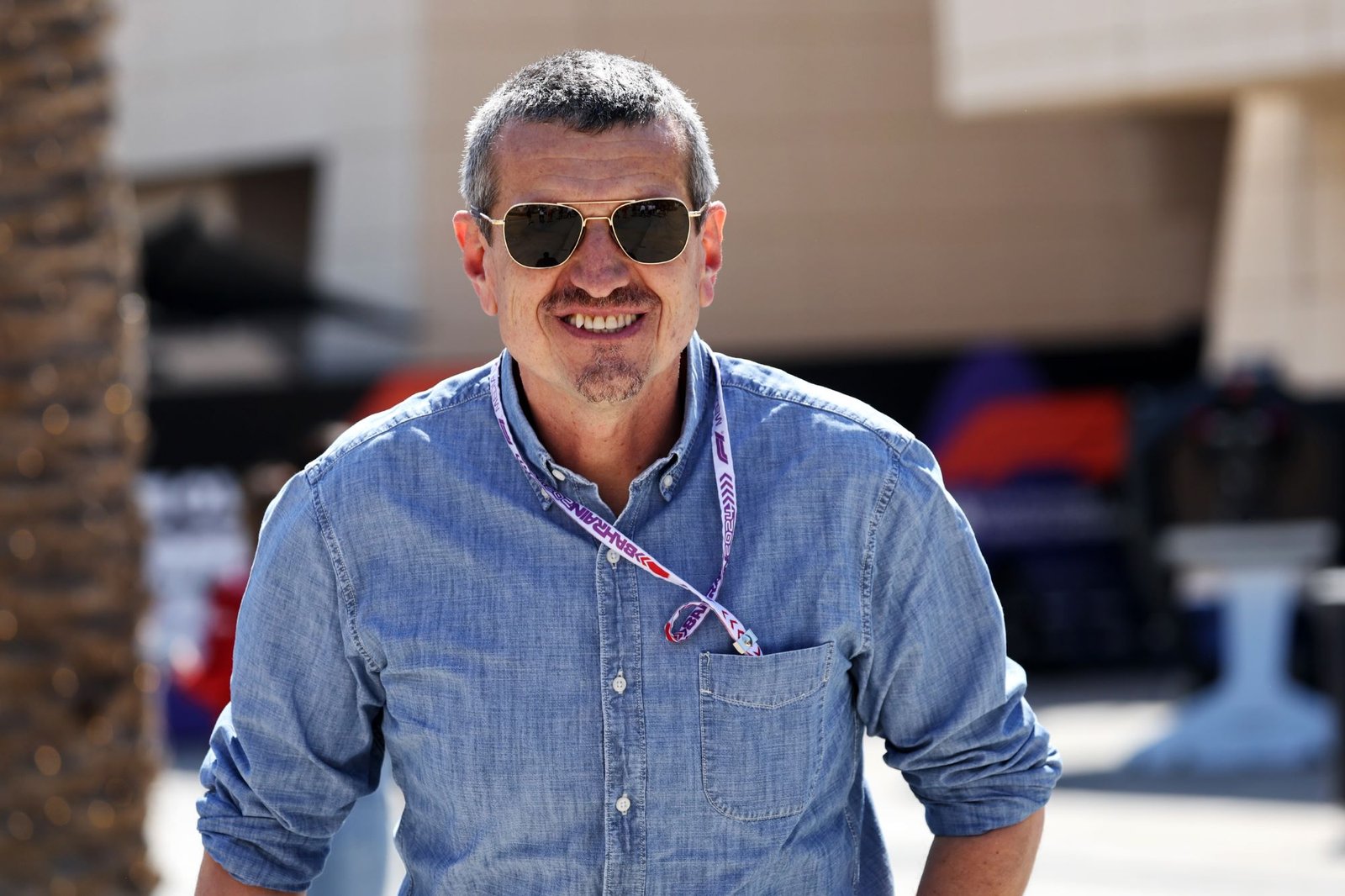
The world of Formula 1 is no stranger to heated discussions and controversial decisions, especially when it comes to race management. One such incident that has sparked debate recently is the deployment of the Virtual Safety Car (VSC) during the closing stages of the Mexico Grand Prix. Guenther Steiner, the former team principal of Haas F1, shared his thoughts on this contentious decision, attributing it to an exaggerated reaction from the race director, who was still reeling from an earlier incident involving Liam Lawson of the Racing Bulls team and two track marshals crossing the circuit dangerously.
Understanding the Context
The Mexico Grand Prix is known for its vibrant atmosphere and passionate fans. However, the race took a turn when Lawson’s situation unfolded, where two marshals found themselves in a precarious position on the track. This incident understandably rattled the race control team and raised immediate concerns regarding safety protocols on the circuit.
In a recent episode of the podcast "The Red Flags," Steiner elaborated on the race director’s decision-making process during this tense situation. He emphasized that the race director’s choice to implement the VSC was heavily influenced by the earlier incident. According to Steiner, the race director was likely still processing the earlier scare when he opted for caution in the final part of the race.
The Incident That Sparked the Controversy
The earlier incident involving Lawson was a pivotal moment in the race. As the young driver approached the track, two marshals unexpectedly crossed the circuit, creating a scenario that could have led to a serious accident. Steiner pointed out that the race director, who was not physically present on the track, lacked a complete view of the unfolding events. "If you’re not in the control room, you don’t have the full perspective," Steiner noted.
He explained how the sight of marshals on the track, coupled with the adrenaline and tension of the race, likely influenced the race director’s judgment. "Think about what happened at the start of the race with those marshals in the middle of the track. They scared the race director," he remarked.
A Reaction to Safety Concerns
Steiner suggested that the race director’s decision to deploy the VSC was driven by a desire to prioritize safety above all else. The director was still grappling with the shock of the earlier incident when a Williams car, driven by Carlos Sainz, had to stop in a dangerous location near the stadium section of the circuit. Steiner commented, "He was still trying to deal with that. I think he was in shock and thought, ‘I don’t want to take any risks here,’ which led him to activate the VSC."
However, Steiner was quick to point out that this decision may have been misguided. He believed that Sainz had taken all necessary measures to move his car out of harm’s way, and the VSC could have been avoided. "It was obviously the wrong decision because Sainz did everything anyone could do to get the car out of the way," he added.
The Aftermath of the Decision
The deployment of the VSC has significant implications in Formula 1, affecting race strategies, tire management, and overall competition. Steiner’s insights shed light on the broader impact of the race director’s decisions and how they can ripple through the entire team dynamic. Teams rely on these decisions to formulate race strategies, and an unexpected VSC can disrupt carefully laid plans.
Steiner continued to express his belief that the race director’s reaction was an overreaction. "He saw Sainz’s car stopped at the side of the track and still had the images of the two marshals running across the track while Lawson was approaching. I think it was an exaggerated response," he said. While Steiner acknowledged that this is merely his interpretation, he stressed the importance of understanding the context behind such decisions.
The Role of Race Control
Race control plays a crucial role in ensuring the safety and fairness of Formula 1 races. The decisions made by race directors can significantly influence the outcome of a race and the safety of drivers and personnel. In high-pressure situations, where split-second decisions can mean the difference between safety and disaster, the race director must have a clear view of events as they unfold.
Steiner’s comments highlight the challenges faced by race directors, especially when unexpected incidents occur. The need for immediate responses can lead to decisions that may not always align with the race’s unfolding narrative. Steiner’s perspective serves as a reminder of the complexities involved in managing a Formula 1 race and the delicate balance between safety and competition.
A Call for Reflection
As discussions continue about the use of the VSC and the decisions made during the Mexico GP, it’s essential for the Formula 1 community to reflect on these incidents. The dialogue surrounding race management is crucial for the continued evolution of safety protocols and race strategies.
Steiner’s insights encourage a deeper examination of how race control operates and the factors influencing decision-making. Understanding the psychological impact of previous incidents on race directors may lead to improved training and preparedness, ultimately benefiting the sport as a whole.
Conclusion
The deployment of the Virtual Safety Car during the Mexico Grand Prix sparked a heated debate among fans, teams, and analysts alike. Guenther Steiner’s perspective sheds light on the intricacies of race management and the challenges faced by race directors when making critical decisions. As the sport continues to evolve, the lessons learned from these incidents will undoubtedly contribute to shaping a safer and more competitive environment for all involved in Formula 1.
