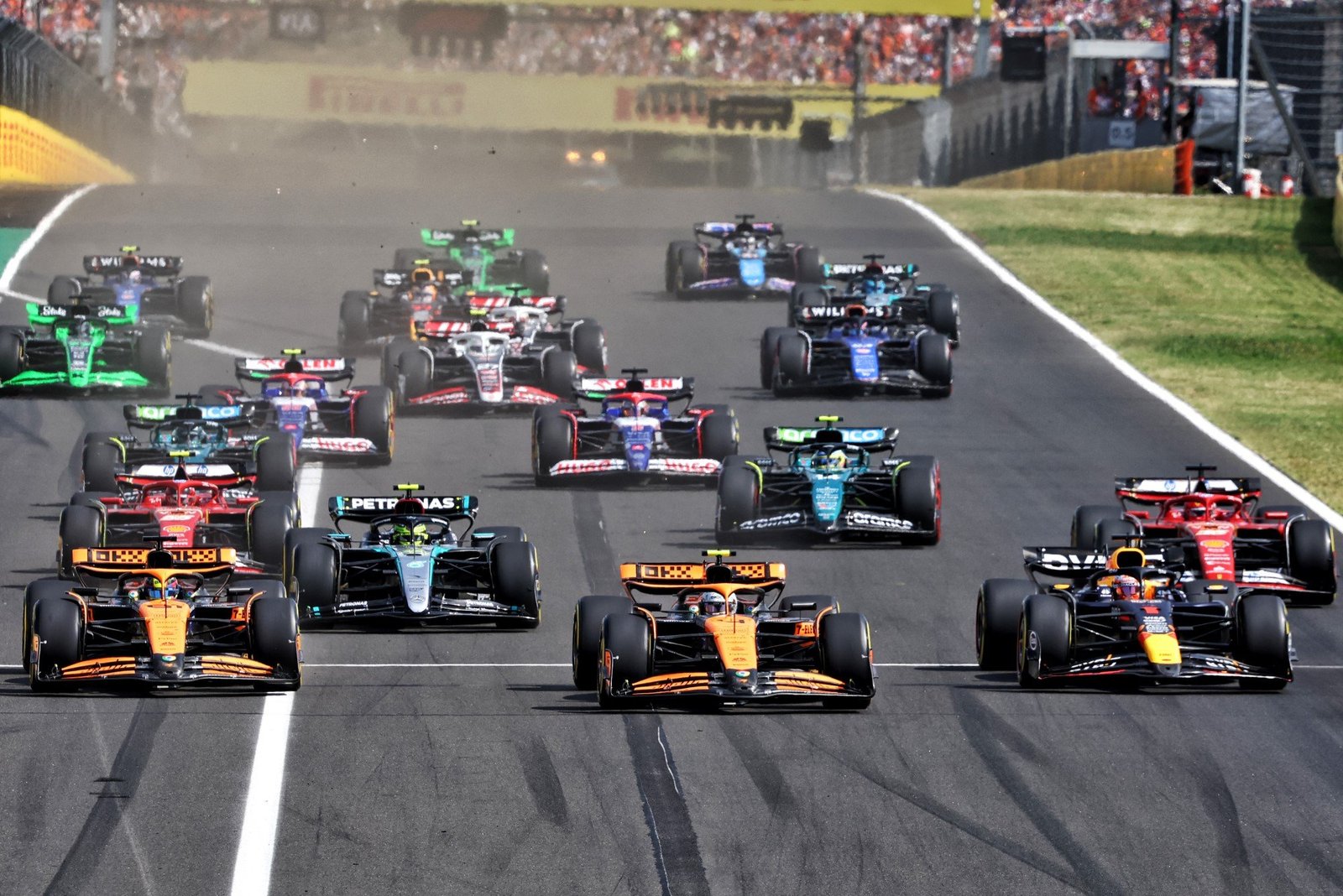
Major Changes Ahead for Formula 1 in 2026: A New Era of Competition
The world of Formula 1 is on the brink of significant transformation as the sport prepares for the 2026 season. With anticipated modifications to chassis designs and power units, discussions have sparked around the potential for a single team to dominate the grid, similar to the dominance displayed by Mercedes at the onset of the hybrid era in 2014. However, various team executives believe that the upcoming changes will foster a much more competitive environment.
Insights from Team Leaders on Future Competition
Andy Cowell, the CEO of Aston Martin, has expressed his thoughts on the balance of competition in the wake of these changes. He emphasized that past experiences in the sport have shown that performance disparities tend to diminish quickly. “I’m not worried about this at all. It’s part of the natural competition when there’s a complete reset. If there is a performance gap, it usually closes rapidly,” Cowell remarked. He is confident that we will see teams excelling in different areas, with one possibly having the best aerodynamic package, another showcasing a superior power unit, and new tire designs contributing to this dynamic. Cowell believes that it’s unlikely for any single team to excel in every aspect, which should lead to a more balanced competitive landscape.
Steve Nielsen, the managing director of Alpine, echoed Cowell’s sentiments, noting that broad changes typically lead to a more varied grid at the start. However, he noted that teams quickly converge on solutions. Nielsen also offered a word of caution: “If I could change one thing, it would be to think more carefully before implementing new regulatory changes. Often, the best racing occurs towards the end of a regulation cycle. When we reach that point, we should aim to maintain that momentum for a longer duration,” he stated.
James Vowles, head of Williams, reinforced the notion that the upcoming season will not mirror the circumstances of 2014, when Mercedes established an insurmountable lead. “I don’t believe it will be anything like 2014. It will be much more balanced, which should reassure those who fear otherwise. We are already in discussions about what to do if any engine manufacturer is ahead or behind. We recognize that we are a sport, but we’re also here for the spectacle, to ensure fair competition. The differences will close quickly,” Vowles concluded.
The Evolution of F1 Cars in 2026
The cars that will take to the track in 2026 are set to be smaller, lighter, and equipped with power units that can generate increased energy. Additionally, there will be significant alterations to aerodynamic designs and tire dimensions. While rumors swirling in the paddock suggest that Mercedes might have a head start in this new cycle, team leaders remain optimistic that any initial advantages will not last long. The focus is on fostering a competitive spirit, allowing for exciting races and showcasing the talents of all drivers on the grid.
The Impact of Regulatory Changes on Performance
As Formula 1 continues to evolve, the implementation of new regulations is a critical factor in shaping the sport’s landscape. The 2026 changes are designed to not only enhance performance but also promote sustainability and innovation within the teams. The introduction of new power units signifies a shift towards more environmentally friendly technologies, aligning with global trends and the increasing importance of sustainability in sports.
Moreover, the regulatory alterations aim to create a more level playing field, preventing any single team from establishing a long-term monopoly over the competition. This approach is essential for maintaining fan engagement and excitement, as unpredictable races often lead to heightened interest and viewership.
A Glimpse into Team Strategies for 2026
As teams prepare for the upcoming season, strategic planning is crucial. With the introduction of new regulations, each team is tasked with re-evaluating its approach to car design, engineering, and race strategy. The ability to innovate and adapt will be paramount, as teams work to gain any potential advantage from the changes.
For instance, teams will need to focus on optimizing their aerodynamics to maximize efficiency and speed while ensuring that their power units are both powerful and reliable. The collaboration between engineers and drivers will play a pivotal role in fine-tuning the vehicles to meet the new standards and excel under the revised conditions.
Additionally, tire management will be a critical aspect of race strategy, especially with the introduction of new tire designs. Teams will need to conduct extensive testing to understand how different tire compounds perform under various track conditions and racing scenarios. This knowledge will be essential for making informed decisions during races, as tire performance can significantly impact race outcomes.
Preparing for the Unknown: Challenges Ahead
While the excitement of new regulations brings opportunities, it also poses challenges for teams as they navigate the uncertainties of implementation. The potential for unforeseen issues during the initial races of the 2026 season could impact team performance and strategies. Recognizing this, teams are proactively working to address potential pitfalls through rigorous testing and simulations.
The collaborative nature of the sport will be more important than ever, as teams share insights and data to better understand how the new regulations affect race dynamics. Such collaboration can lead to more competitive races and greater unpredictability, which is a hallmark of Formula 1.
Fan Engagement and the Future of F1
As Formula 1 gears up for these significant changes, fan engagement remains a top priority. The sport’s leadership recognizes that keeping fans invested is crucial for its growth and sustainability. Engaging with fans through social media, interactive platforms, and events will continue to be a focus as the sport evolves.
Moreover, the excitement surrounding the 2026 season offers a unique opportunity to attract new fans, particularly younger audiences who are increasingly interested in technology and sustainability. By showcasing the innovations and competitive spirit of the sport, Formula 1 can continue to build a diverse and passionate fan base.
Conclusion
The upcoming changes in Formula 1 for the 2026 season signal a new chapter in the sport’s history. With a focus on balance, competitiveness, and sustainability, the landscape of F1 is set to transform. Team executives are optimistic that the new regulations will lead to a more exciting and unpredictable racing environment, encouraging teams to innovate and adapt. As the sport continues to evolve, the anticipation for the 2026 season grows, promising thrilling races and dynamic competition that will captivate fans around the world.
