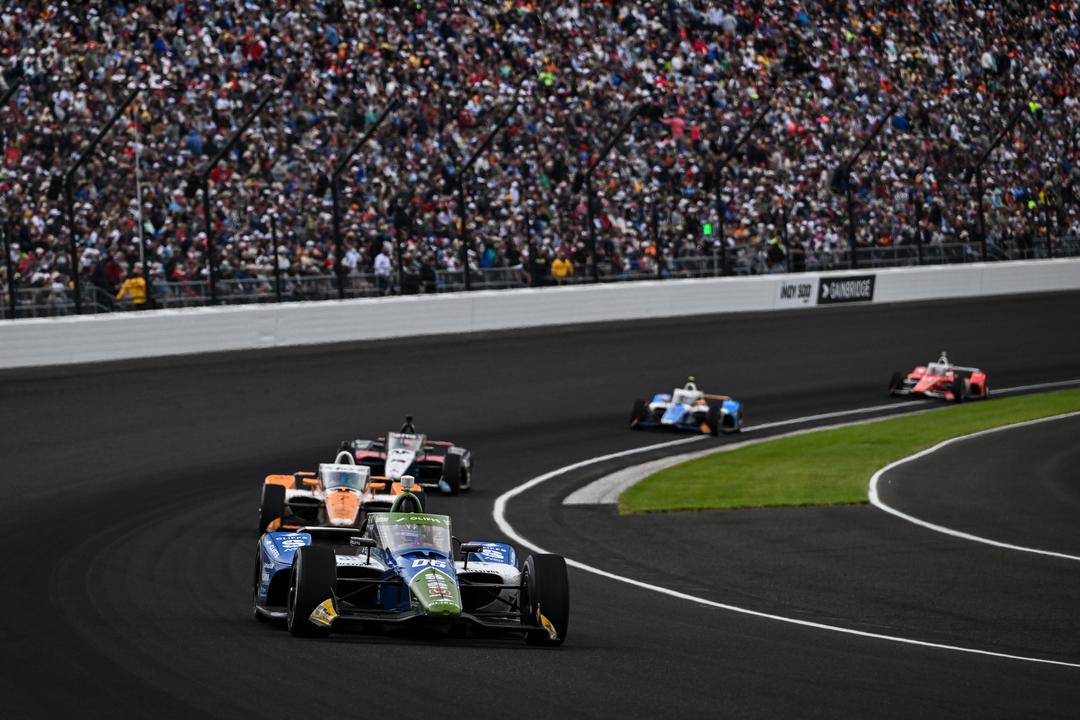
The Upcoming IR28 Chassis: A New Era for IndyCar Racing
IndyCar racing is gearing up for a significant transformation with the introduction of the new IR28 chassis, set to debut in 2028. After a year of extensive research and development, this new vehicle promises to enhance safety, performance, and aesthetics while maintaining the competitive spirit that defines the series. The IR28 represents a leap forward in technology, marking a notable evolution from the longstanding DW12 chassis that has been in service for 16 years.
A Collaborative Design Effort
The development of the IR28 chassis is the result of a collaborative effort among some of the industry’s top talents. Led by Aldo Costa from Dallara, the design team also includes contributions from Chris Beatty, known for his work on the universal aerodynamic kit. The engineering team worked closely with Tino Belli from IndyCar, focusing on three critical aspects: safety, raceability, and visual appeal. Mark Sibla, IndyCar’s Vice President of Competition, describes the new chassis as visually "lower and wider," while still retaining the same track dimensions as its predecessor.
Prioritizing Safety
One of the most significant advancements in the IR28 is its redesigned survival cell, or tub. In response to feedback from taller drivers like Graham Rahal, the engineers have extended the tub by five centimeters and increased its width. This redesign provides more room for drivers’ elbows and legs, addressing a known limitation of the DW12. Additionally, the integration of a third-generation aeroscreen marks a pivotal change; it is now an integral part of the chassis rather than an add-on. This new design is lighter and lowers the center of gravity, contributing to overall safety.
Aiming for Lightweight Performance
The quest to reduce weight in the IR28 is ambitious, with goals set to make it between 36 and 45 kilograms lighter than the current DW12 model. A key component in achieving this weight reduction is the new Xtrac P1439 transmission, expected to shave off up to 11 kilograms on its own. The focus on minimizing weight is driven not only by performance considerations but also by safety; a lighter chassis can absorb impact energy more effectively, enhancing driver protection.
Addressing Suspension Challenges
One of the more controversial changes involves the suspension system. Currently, the dampers represent one of the last major areas of free development in the series. However, starting in 2028, the IR28 will transition to a more regulated suspension specification. The intention is not to limit teams to a single sealed part but to offer a reduced kit of internal options. This strategy aims to alleviate the skyrocketing costs that teams face while still allowing for some level of customization. Early tests at Indianapolis have shown promise for this new approach.
Enhanced Technology Features
In keeping with the tradition of IndyCar, the IR28 will not include power steering, differentiating it from many other racing series. However, it will embrace advancements in electronic technology. Features such as adjustable stabilizer bars and brake balance will now be controlled via buttons on the steering wheel, making adjustments more intuitive for drivers. Furthermore, the hybrid system will be expanded, featuring a larger energy bank to provide increased electric power for longer durations. While a Drag Reduction System (DRS) similar to that used in Formula 1 was considered, it was ultimately deemed ineffective and will not be implemented.
Financial Considerations for the Future
Understanding the financial implications of such changes, IndyCar is taking a cautious approach to the transition to the IR28. Items like the new aluminum wheels from BBS, set to replace the current magnesium wheels, will be introduced as early as 2027 on the DW12 chassis. This gradual rollout is intended to help teams acclimate to the new technology while managing costs. The projected price for a complete IR28 chassis is expected to remain in the range of $800,000 to $1 million, comparable to the current pricing.
A Thoughtful Evolution, Not a Radical Revolution
The IR28 is not a radical overhaul of the IndyCar racing experience; rather, it is a carefully considered evolution aimed at addressing contemporary challenges in motorsport. The series is focused on how to enhance safety, increase excitement, and ensure financial viability without losing the essence of what makes IndyCar racing thrilling. For fans tuning in through various platforms, including Band, Disney+, and ESPN4, the IR28 promises to honor the legacy of competitive wheel-to-wheel racing while incorporating the safety and technology necessary for the future. The countdown to 2028 has officially begun, and the anticipation is building for what lies ahead in the world of IndyCar racing.
