The Future of Formula 1: Insights from Audi’s Leadership on the 2026 Regulations Overhaul
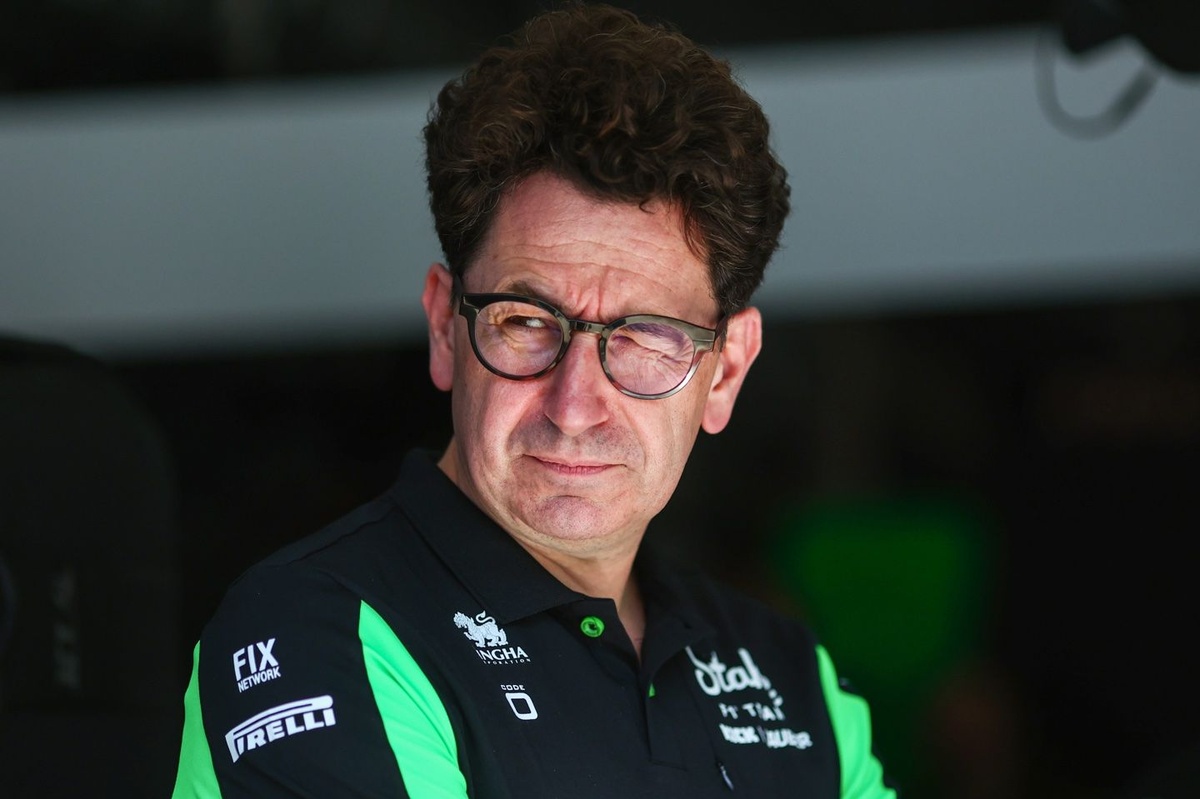
As the world of Formula 1 gears up for a significant transformation in 2026, much attention is being directed towards how teams will adapt to the new regulations. This upcoming season heralds an era of substantial changes, particularly concerning power units and chassis design. Audi, which is set to make its debut in Formula 1 by taking over the Sauber team, is at the forefront of this evolution. Mattia Binotto, the Chief Technical Officer (CTO) and Chief Operating Officer (COO) of Audi F1, shared critical insights about the upcoming challenges and opportunities during a recent launch event in Munich.
A New Regulatory Landscape
The 2026 regulations are poised to introduce a paradigm shift in how Formula 1 cars are designed and operated. One of the most notable changes is the increased emphasis on electrical energy, aiming for a nearly equal distribution between the internal combustion engine (ICE) and electric power. This approach aligns with the global push for sustainability and greener technologies. Additionally, the regulations will bring forth lighter and more compact chassis designs, complemented by active aerodynamics, all intended to enhance the overall racing experience.
Binotto emphasized that while the initial performance at the first race of the season will be crucial, it is the teams’ ability to adapt and develop their vehicles throughout the season that will ultimately determine success. He stated, “I don’t think we can judge who will be the best team by the start of next season. It’s more about how the team will be capable of reacting later.”
The Importance of Development and Adaptation
In the world of Formula 1, where every millisecond counts, the ability to quickly iterate and improve a car’s performance can make the difference between victory and defeat. Binotto highlighted that the teams most adept at responding to challenges and rapidly evolving their vehicles will stand out in the 2026 season.
He pointed out that development is not just about speed but also about precision. Accurate simulation tools are essential for translating theoretical performance into practical results on the track. In the current era of Formula 1, several teams have experienced discrepancies between simulation predictions and real-world performance. Binotto noted, “We believe that the parameters, or the variables that were important for performance before may be different tomorrow.”
This assertion underscores the necessity for teams to reassess and recalibrate their simulation tools in light of the new regulations. As Binotto stated, “All the tools that were back in the factory, the simulations that were fine-tuned for the current regulations, need to be completely reviewed for the next one.”
The Role of Simulation Tools
The transition to new regulations presents a unique challenge for teams, as they must not only adapt their cars but also ensure that their simulation tools accurately reflect the new performance parameters. Binotto’s insights suggest that the tools used for simulations must be recalibrated to align with the new focus on electrical energy and modified aerodynamic standards.
In essence, the shift in regulations may render previous performance indicators less relevant, necessitating a comprehensive review of the factors that drive speed and efficiency. This recalibration process is essential to ensure that teams can capitalize on the new opportunities presented by the 2026 regulations.
Strategic Planning for Success
As Audi prepares for its entry into Formula 1, strategic planning becomes paramount. The team must not only focus on developing a competitive car but also on fostering a culture of innovation and rapid adaptation. Binotto’s experience with Ferrari has equipped him with valuable insights into the intricacies of team dynamics and the importance of cohesive collaboration among engineers, designers, and drivers.
Binotto remarked, “I think that change is something which we are not used to.” This acknowledgment speaks to the inherent challenges faced by teams as they navigate uncharted territory in the wake of new regulations. Success in the 2026 season will hinge on a team’s ability to embrace change, foster a spirit of innovation, and respond swiftly to evolving conditions on and off the track.
The Competitive Landscape
With the introduction of the 2026 regulations, the competitive landscape in Formula 1 is expected to become more unpredictable. The teams that can effectively harness their resources and implement successful development strategies will likely gain a significant advantage. Binotto indicated that some teams might be better prepared for the transition than others, which could result in a diverse range of performances during the early stages of the season.
“Some of the teams would have done it properly, and some others not, because the tools are not yet properly tuned,” he explained. This variability could lead to surprising results as teams either succeed in adapting to the new conditions or struggle to keep pace with competitors who have effectively recalibrated their strategies.
Embracing Innovation in Formula 1
As Audi steps into the spotlight, the focus on innovation will be critical. The new regulations not only allow for different engineering solutions but also encourage teams to think outside the box. Binotto’s insights into the need for rapid development highlight the importance of fostering a culture that embraces innovation.
In the world of high-performance racing, leveraging cutting-edge technology and fostering creativity among team members can lead to breakthroughs that set a team apart. Audi’s leadership is keenly aware of the significance of creating an environment where engineers and designers feel empowered to experiment and explore new ideas.
Sustainability in Formula 1
The push for sustainability in Formula 1 is not just a trend; it is a fundamental shift in how the sport operates. The new regulations reflect a broader commitment to reducing the environmental impact of racing, making the sport more relevant in today’s world. By integrating a more significant reliance on electrical energy, Formula 1 is taking steps towards a greener future.
Binotto’s remarks about the 2026 regulations highlight Audi’s alignment with these sustainable practices. As teams navigate this new landscape, those that prioritize sustainability while maintaining competitive performance will likely resonate with fans and stakeholders alike.
Conclusion
As the 2026 season approaches, the insights from Mattia Binotto and Audi’s leadership provide a glimpse into the future of Formula 1. The emphasis on rapid development, accurate simulation tools, and innovation will shape the landscape of the sport in unprecedented ways. With the potential for varying levels of performance among teams, the upcoming season promises to be both exciting and unpredictable. The integration of sustainability into the core of racing further enhances the relevance of Formula 1 in the modern world. As Audi prepares for its debut, the team’s ability to adapt and innovate will be critical to its success in this new era of racing.
