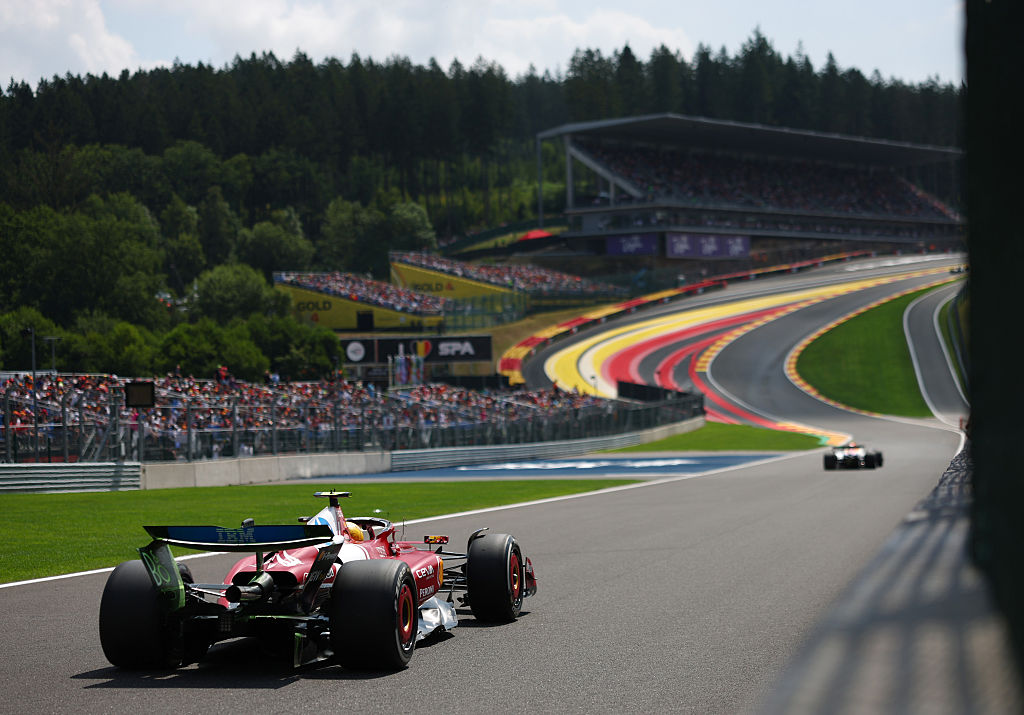
Formula 1 Teams Gear Up for the Belgian Grand Prix with New Upgrades
The excitement surrounding the Belgian Grand Prix is palpable, especially as eight out of the ten Formula 1 teams prepare to unveil new parts for their cars. This comes despite the challenges posed by a Sprint weekend, which significantly limits practice time for the teams. Only Haas and Sauber have chosen to forgo upgrades at the iconic Spa-Francorchamps circuit, while the remaining teams have utilized the three-week interval between races to enhance their vehicles.
The Sprint Weekend Challenge
Sprint weekends in Formula 1 are unique, providing a condensed schedule that can impact teams’ preparation. With just one hour of practice on Friday before the crucial Sprint qualifying session, teams must quickly gather data and assess the effectiveness of their new components. This situation creates an added layer of pressure, as teams strive to optimize their cars within a limited timeframe.
McLaren’s Strategic Enhancements
Among the teams making headlines is McLaren, which has introduced a low-downforce rear wing designed to enhance efficiency across several upcoming tracks. This modification reflects the team’s strategic approach to adapt its car to varying circuit layouts. By focusing on aerodynamic efficiency, McLaren aims to gain a competitive edge, particularly in sectors where straight-line speed and low drag are critical.
Ferrari’s Innovative Rear Suspension
Ferrari is another team drawing significant attention with its latest upgrades. The Scuderia has brought forth a new rear suspension system, which has undergone a complete revamp in terms of geometry. This change has prompted the team to re-optimize various components, including the wishbone fairings and the winglet cascades on both the upper and lower sections. The goal of these updates is to enhance aerodynamic efficiency, which is vital for achieving optimal performance on the track.
Red Bull’s Comprehensive Upgrade Package
Red Bull Racing is also making waves with a plethora of new components designed to improve overall performance. A key highlight is the introduction of a new front wing that features significant updates to its first and second elements. These modifications alter the pressure distribution in that area, thereby increasing the overall load on the car. Additionally, the team has incorporated more camber into the rear wheel bodywork’s lower cascade wing assembly, which further boosts downforce.
In addition to the aerodynamic enhancements, Red Bull has developed a new sidepod inlet aimed at improving cooling efficiency at upcoming tracks. This change necessitated adjustments to various components, including the engine cover and both the front and rear suspension fairings. By focusing on these areas, Red Bull is positioning itself to maintain its competitive edge as the season progresses.
Mercedes’ Tactical Adjustments
Mercedes is implementing subtle yet impactful updates to its car. The team has made modifications to the second element of its front wing, along with changes to the drum lip on the rear corner. Both of these adjustments are aimed at enhancing tire wake control, which is crucial for maintaining optimal grip and performance during races. As the team continues to refine its car, these strategic tweaks could play a significant role in their performance at Spa-Francorchamps.
Aston Martin’s Focus on Front-End Performance
Aston Martin is also in the spotlight with its latest upgrade package, which centers on improving the front end of the car. The team has introduced a new nose and front wing assembly, designed to enhance performance throughout the car’s operating range. Additionally, adjustments to the front wing flap’s balance range, along with options for a lower-downforce rear wing and beam wing, demonstrate Aston Martin’s commitment to optimizing its overall aerodynamics.
Alpine and Racing Bulls’ Track-Specific Changes
Alpine has also made significant track-specific modifications to its rear wing and beam wing for the Belgian Grand Prix. These updates are intended to enhance performance by adapting to the unique characteristics of the Spa-Francorchamps layout. Similarly, Racing Bulls is debuting a new diffuser and rear brake duct winglets designed to improve airflow around the rear of the car. These changes are crucial for maintaining downforce and stability, particularly in high-speed corners.
Williams’ Comprehensive Floor Redesign
Williams has taken a bold step by introducing a new floor configuration that includes updated floor fences and a revised floor edge. This redesign aims to improve the front floor load while enhancing overall performance downstream. Furthermore, adjustments to the sidepod are expected to boost flow energy towards the rear of the car, which is essential for optimizing the diffuser’s effectiveness. The engine cover has also been modified, featuring a deeper undercut to the bodywork that enhances local floor load, thereby contributing to improved downforce.
The Competitive Landscape
As the Belgian Grand Prix approaches, the competitive landscape within Formula 1 is set to intensify. With multiple teams bringing significant upgrades, the race promises to be an exciting showdown of engineering excellence and strategic prowess. Each team is keenly aware that the developments made during this weekend could have far-reaching implications for their performance throughout the remainder of the season.
Conclusion
This weekend’s Belgian Grand Prix will serve as a critical juncture for the Formula 1 teams as they showcase their latest innovations. With teams like McLaren, Ferrari, Red Bull, Mercedes, Aston Martin, Alpine, Racing Bulls, and Williams all making strategic upgrades, the stage is set for a thrilling race. As the teams adapt to the unique challenges of a Sprint weekend, fans can expect an electrifying display of speed, skill, and cutting-edge technology at Spa-Francorchamps.
The impact of these upgrades will be closely monitored, as they could very well influence which team emerges as the frontrunner in the championship race moving forward.
