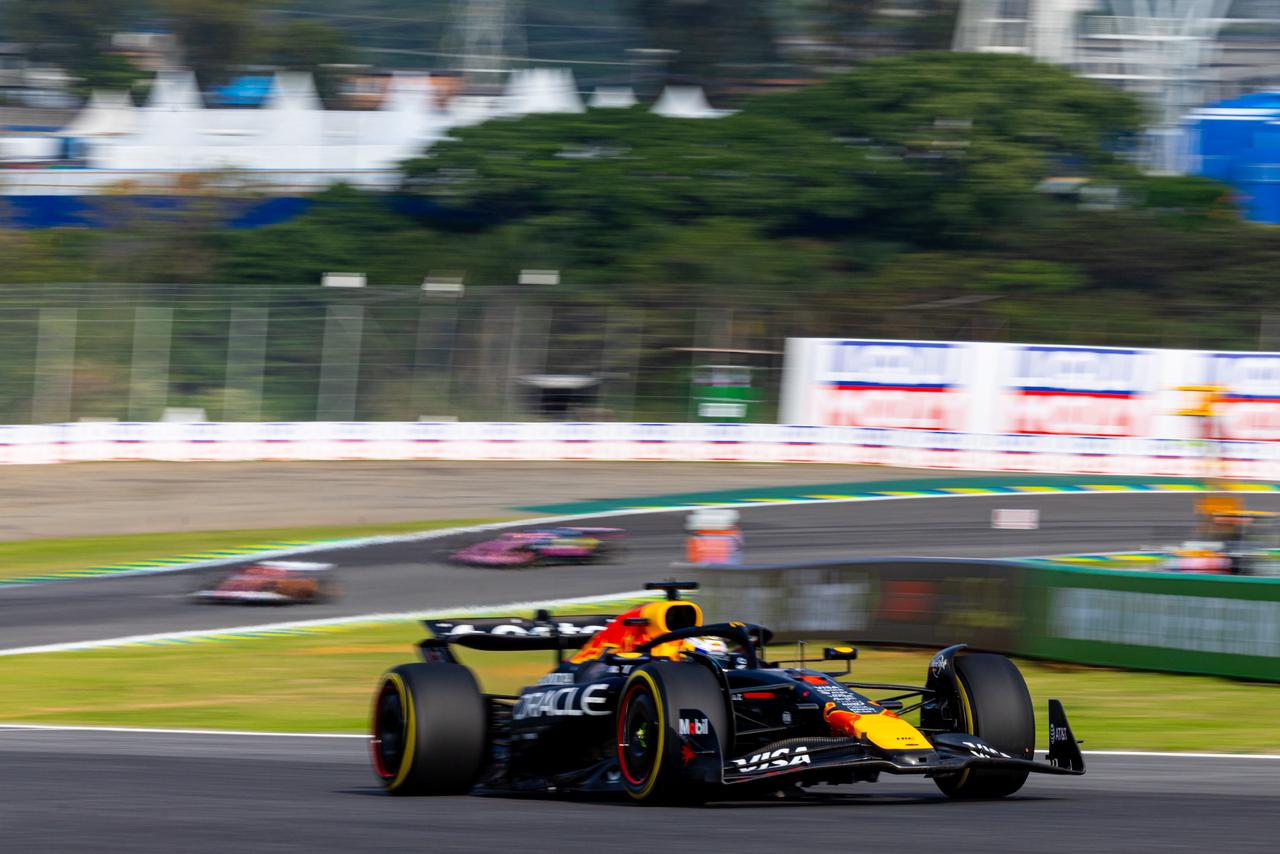
Max Verstappen’s Pit Lane Start at the São Paulo Grand Prix: An In-Depth Analysis
Max Verstappen, the talented Dutch driver for Red Bull Racing, will be starting the São Paulo Grand Prix from the pit lane this Sunday. This strategic decision comes after the team made significant modifications to his RB21 car during the ‘park fermé’ period. These changes were necessary due to a disappointing performance in the qualifying session, where Verstappen ended up in 16th place, far from his usual front-row starting position.
The Need for Changes After Qualifying
The adjustments made by Red Bull Racing were a direct response to Verstappen’s lackluster qualifying results. According to reports from the Dutch newspaper De Telegraaf, the modifications were crucial after Verstappen failed to advance to the Q2 session. Despite his strong showing in the Sprint race, where he finished in 4th place, the car’s performance appeared to have declined, prompting the team to take action to enhance the vehicle’s competitiveness for the main race.
Strategic Risks and Engine Adjustments
One of the significant aspects of Red Bull’s strategy involved making engine adjustments, which inherently come with penalties for the driver. Although the FIA (Fédération Internationale de l’Automobile) still needs to officially confirm the changes, Red Bull has publicly announced its intentions to explore every possible avenue to improve the car’s performance. This proactive approach underscores the team’s commitment to maximizing Verstappen’s chances, even if it means facing penalties that complicate his race strategy.
Teammate’s Performance: Yuki Tsunoda’s Struggles
Verstappen’s teammate, Yuki Tsunoda, also experienced challenges during the qualifying session. He was eliminated in Q1, finishing in 19th place. However, unlike Verstappen, Tsunoda will not face the penalty of starting from the pit lane. This difference in their situations highlights the varying circumstances within the team and the unique pressures each driver faces as they approach the race.
Implications for Verstappen’s Race Strategy
Starting from the pit lane presents a formidable challenge for Verstappen. It requires a complete rethinking of his race strategy. In motorsport, every position counts, and beginning the race from a less favorable location means that Verstappen will need to navigate through a crowded field of cars. The pit lane start adds an extra layer of complexity, as he will have to find opportunities to overtake while also managing tire wear and fuel consumption effectively.
The Importance of Race Strategy in Formula 1
In Formula 1, race strategy plays a pivotal role in determining the outcome of a race. Factors such as tire selection, pit stop timing, and the ability to capitalize on competitors’ mistakes can significantly influence a driver’s performance. Given Verstappen’s talent and the capabilities of the Red Bull car, there is still a possibility for him to make significant gains during the race, despite the initial setback.
The Role of Team Dynamics in Performance
Team dynamics are essential in Formula 1, and Red Bull Racing has consistently demonstrated effective collaboration between drivers and engineers. The ability to communicate feedback regarding car performance is crucial for implementing successful changes. Verstappen’s experience and insights can help the team fine-tune the car even further during the race, potentially allowing for a more competitive performance as the laps progress.
Fan Reactions and Expectations
The decision for Verstappen to start from the pit lane has generated considerable discussion among fans and analysts. Supporters of the Red Bull team remain optimistic about his ability to recover from this setback, while critics question the wisdom of making such changes so close to the race. The mixture of anticipation and skepticism surrounding Verstappen’s performance adds to the excitement of the São Paulo Grand Prix.
The Impact of Weather and Track Conditions
Another variable that can greatly affect race outcomes is the weather and track conditions. São Paulo is known for its unpredictable weather, which can range from sunny skies to sudden rain showers. These conditions can influence tire strategy and overall race dynamics. If adverse weather conditions arise, Verstappen may find himself at an advantage, as his experience in various conditions could help him navigate the challenges more effectively than some of his competitors.
Historical Context: Verstappen’s Previous Performances
Max Verstappen has built a reputation for his remarkable driving skills and ability to handle challenging situations. Throughout his career, he has demonstrated resilience and a knack for overtaking, often making up significant ground after facing setbacks. This historical context adds to the anticipation surrounding his performance in the São Paulo Grand Prix, as fans recall his past races where he has turned seemingly impossible situations into triumphs.
Conclusion
As the São Paulo Grand Prix approaches, all eyes will be on Max Verstappen as he prepares to tackle the challenges of starting from the pit lane. The modifications made to his car, along with the strategic choices of Red Bull Racing, will play a critical role in shaping the race’s outcome. The combination of team dynamics, race strategy, and Verstappen’s driving prowess sets the stage for what promises to be an exciting and unpredictable race.
