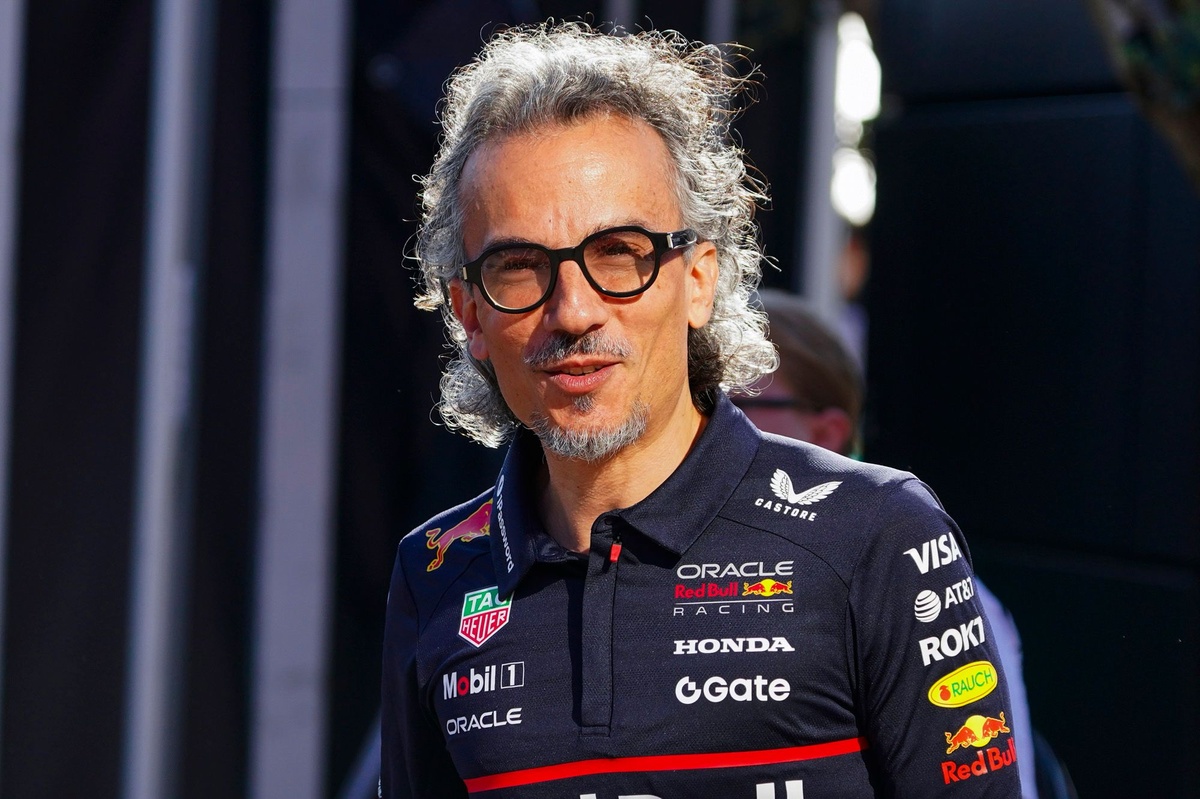
The Impact of Laurent Mekies on Red Bull Racing: A New Era Begins
In the fast-paced world of Formula 1, leadership plays a crucial role in a team’s performance on the track. Recently, Red Bull Racing underwent a significant change in its management structure, appointing Laurent Mekies as the new team principal. This transition came after the departure of Christian Horner, who had held the position for two decades. Mekies, who previously served as the sporting director for the sister team, Racing Bulls, took over in July. His arrival has sparked a wave of optimism within the team, especially after a period of underperformance that saw Red Bull slip to fourth place in the championship standings behind rivals McLaren, Ferrari, and Mercedes.
A Challenging Transition
The shift to Mekies as team principal coincided with a noticeable decline in Red Bull’s performance. Following a dominant run that culminated in winning the 2023 Constructors’ Championship, the team found itself struggling to maintain its competitive edge. However, since Mekies stepped into the role, there has been a marked improvement. The team secured podium finishes in the last two races, including a victory for Max Verstappen at Monza, along with a sprint race win in Belgium.
Helmut Marko, Red Bull’s motorsport advisor, has openly praised Mekies for his contributions, particularly highlighting his technical acumen. With a background as a race engineer at Minardi in the early 2000s, Mekies brings a wealth of experience that appears to have revitalized the team’s technical discussions and strategies. Marko noted that the technical team has become more open to discussions and is now more receptive to driver feedback, which is crucial in a sport where precision and performance are paramount.
Emphasizing Driver Input
One of the most significant changes since Mekies took over has been the increased emphasis on driver input in the car’s setup. During the Italian Grand Prix, it was reported that certain team members preferred a high downforce configuration, which did not sit well with Verstappen. The four-time world champion advocated for a different setup that ultimately led to his victory from pole position, finishing ahead of both McLaren drivers. Marko commented on this dynamic, stating that listening to an experienced driver like Verstappen is essential for the team’s success.
The collaboration between the engineering team and drivers is crucial in Formula 1, where minor adjustments can make a significant difference in performance. Marko’s remarks about the engineers being more attuned to Verstappen’s needs reflect a broader trend within the team to prioritize driver feedback. This shift not only enhances the car’s speed and handling but also fosters a more collaborative environment where drivers feel valued and heard.
A Shift in Leadership Dynamics
Mekies’ appointment as team principal is part of a growing trend in Formula 1 where teams are increasingly opting for leaders with engineering backgrounds. This change comes in anticipation of the regulatory overhaul set for 2026, which will see significant changes in the sport’s technical landscape. Teams like Haas and McLaren have also made similar moves, replacing traditional business-oriented leaders with individuals who possess extensive technical knowledge.
Marko believes that having a technical expert at the helm is beneficial, especially given the complexities of modern Formula 1 racing. Mekies’ leadership style emphasizes structure and coordination among the technical team, which is essential for optimizing performance on the track. By integrating driver feedback into the development process, Red Bull aims to create a more cohesive and effective team environment.
Looking Ahead to Future Races
With eight races remaining in the 2025 season, Marko expresses optimism about Red Bull’s prospects. The upcoming Azerbaijan Grand Prix marks the beginning of this crucial phase, followed by a race in Singapore—a track where Verstappen has yet to secure a victory. Marko’s confidence is buoyed by the team’s recent performances, suggesting that they are on the right track to compete effectively at various circuits.
He noted, "With the speed we’ve shown, we should hopefully be able to compete on our own merit at almost every circuit." The focus now is on fine-tuning the car and making incremental improvements that could lead to additional race victories. While the championship title may be out of reach, the goal remains clear: to collect as many wins as possible before the season concludes.
The Role of Engineering in F1 Success
Engineering excellence is at the heart of Formula 1, where teams invest millions of dollars in research and development to gain a competitive edge. The technical regulations are complex and constantly evolving, requiring teams to stay ahead of the curve. Mekies’ background in engineering positions him well to lead Red Bull through these challenges as they prepare for the upcoming regulatory changes.
The focus on technical collaboration and driver involvement aligns with the best practices in the industry, fostering a culture of innovation and adaptability. As teams gear up for the new era of Formula 1, the ability to integrate cutting-edge technology with driver expertise will be crucial for success.
Conclusion: A New Era for Red Bull Racing
The appointment of Laurent Mekies as team principal marks a significant turning point for Red Bull Racing. With a renewed focus on technical collaboration and driver feedback, the team is positioning itself to reclaim its status as a frontrunner in Formula 1. As the 2025 season progresses, all eyes will be on Red Bull to see how these changes translate into performance on the track. With the right leadership and a commitment to excellence, Red Bull Racing is poised to navigate the challenges ahead and strive for victory in future races.
