The 2025 Formula 1 Championship Battle: A Shift in Dynamics
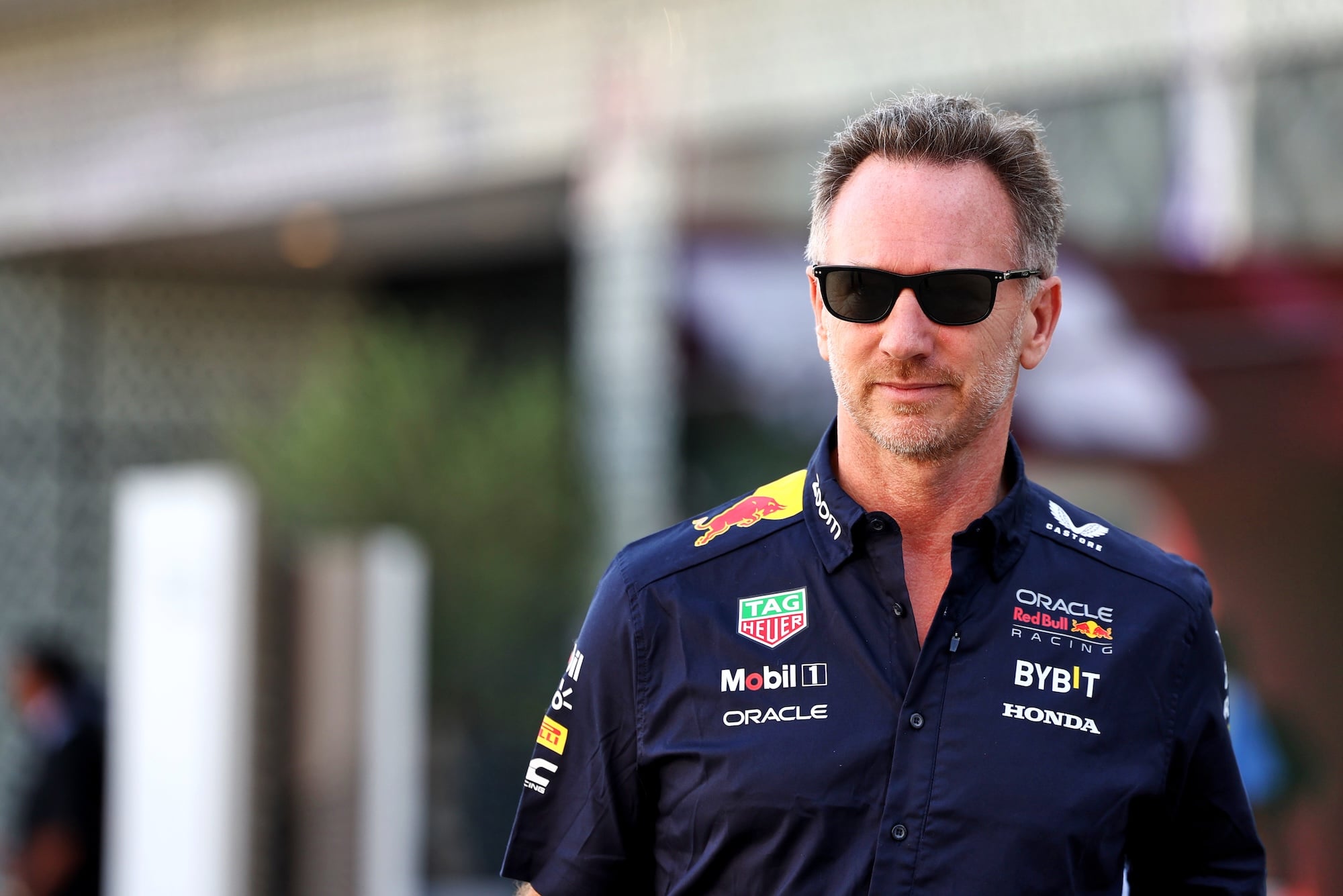
The 2025 Formula 1 season has brought about a notable rivalry between Max Verstappen and the McLaren drivers, yet this year is characterized by a significant absence of the intense psychological games that have defined previous seasons. The competitive landscape feels more congenial and less confrontational, particularly following the departure of Christian Horner, the former team principal at Red Bull Racing, who played a pivotal role in the team’s strategic maneuvers.
The Role of Psychological Warfare in Racing
Veteran driver Fernando Alonso has spoken extensively about the importance of psychological tactics in championship battles. He emphasizes that the interactions between competitors—both on and off the track—can greatly influence the outcome of a title fight. “There are always some games being played,” Alonso noted, highlighting how a seemingly innocuous comment or action can apply pressure to an opponent. In the intense rivalry of 2021, he observed how psychological tactics significantly impacted Lewis Hamilton and Mercedes, with Horner’s strategic provocations aimed at destabilizing the German team.
Max Verstappen: The Master Provocateur
Max Verstappen has long been known for his ability to unsettle rivals through calculated provocations, even if he does not explicitly acknowledge this strategy. His comments are often designed to rattle opponents, particularly Lando Norris and McLaren CEO Zak Brown. Recently, Verstappen claimed that he would have already secured a championship title had he been driving for McLaren, which elicited a visibly irritated response from Norris when questioned about the remark. With a grin, Verstappen retorted, “Things aren’t going so well for him, are they?” demonstrating his keen awareness of how to apply pressure.
The Absence of Horner’s Influence
Christian Horner’s absence is felt in the current dynamic, as he was renowned for his ability to provoke his rivals, including Toto Wolff and Lewis Hamilton, pulling them out of their comfort zones. His ironic comments and subtle jabs often functioned as psychological tools designed to unnerve competitors. Without Horner’s sharp tongue, the interactions between Red Bull and McLaren have taken on a more amiable tone, diminishing the intensity usually associated with championship rivalries in Formula 1.
A New Leadership Approach at Red Bull
With Laurent Mekies now at the helm of Red Bull, the team’s focus has shifted. Mekies appears more inclined to prioritize technical performance over engaging in political maneuvering, lacking the same finesse in psychological warfare that characterized Horner’s tenure. This shift has seemingly allowed McLaren to operate from a position of greater comfort, as Brown and his drivers no longer feel compelled to respond to provocation. The atmosphere in press conferences, particularly in Abu Dhabi, has been notably friendlier than one would expect in a championship showdown.
The Impact of a Friendly Rivalry
This change in tone has led to a perception of reduced competitiveness behind the scenes. In 2021, the rivalry between Red Bull and Mercedes was marked by verbal exchanges and mutual pressure that heightened the stakes. However, in 2025, with Red Bull and McLaren fostering a friendlier environment, there is a palpable lack of the tension that has historically accompanied world championship battles.
As the season approaches its critical moments, it becomes increasingly evident that the psychological game that has been instrumental in Verstappen’s past battles is conspicuously absent this year. The rivalry with McLaren and its leadership could have been more intense, but the shift in strategy within Red Bull Racing has rendered the title fight somewhat less heated compared to previous seasons.
The Evolution of Team Strategies
The shift in team dynamics reflects a broader evolution in how teams approach competition in Formula 1. In previous years, teams often relied on psychological tactics as a means to gain an edge over rivals. However, the current focus seems to be more on technical performance and less on mental warfare. This change may signal a new era in Formula 1, where the emphasis is placed on engineering excellence rather than psychological manipulation.
The New Normal in Formula 1 Rivalries
As the 2025 season unfolds, the new normal in rivalries may redefine what it means to compete at the highest level in motorsport. The absence of psychological games could lead to a more straightforward competition, where drivers and teams focus primarily on their performance on the track. This could foster a different kind of respect among competitors, potentially changing the landscape of racing in the years to come.
Verstappen’s Current Performance
Max Verstappen continues to demonstrate remarkable skill on the track. His driving prowess remains a key factor in Red Bull’s success, and his ability to secure victories is evident. However, without the added pressure of psychological warfare, the narrative surrounding his achievements may shift. Fans and analysts may begin to assess his performance through a different lens, emphasizing his technical abilities rather than his mental tactics.
The Role of Media in Shaping Narratives
The media plays a significant role in shaping the narratives surrounding Formula 1 rivalries. Journalists and commentators often amplify the drama and tension that accompany championship battles, creating a storyline that captivates audiences. However, with the current friendly dynamics between Red Bull and McLaren, the media narrative may evolve. Reporters may focus more on the technical aspects of the competition rather than the interpersonal conflicts that have historically defined the sport.
Fan Reactions to the Change in Dynamics
Fans of Formula 1 are known for their passionate engagement with the sport. The shift in dynamics between Red Bull and McLaren has elicited a range of reactions from fans. Some may appreciate the more respectful atmosphere, while others may yearn for the intense rivalries that have characterized the sport in the past. This dichotomy reflects the diverse expectations that fans have for competitive racing, and how these dynamics influence their enjoyment of the sport.
Looking Ahead: The Future of Formula 1 Rivalries
As the 2025 season progresses, the future of rivalries in Formula 1 remains uncertain. Will this trend towards more amicable competition continue, or will the intense psychological battles return to the forefront of the sport? The evolution of team dynamics, driver interactions, and the role of media will undoubtedly shape the direction of future rivalries in Formula 1.
Conclusion
In summary, the 2025 Formula 1 championship is marked by a significant shift in the dynamics of competition. The absence of psychological games, especially following Christian Horner’s departure, has created a more congenial atmosphere between Red Bull and McLaren. Drivers like Max Verstappen continue to showcase their talent on the track, but the narrative surrounding their performances may evolve as the focus shifts from mental tactics to technical prowess. As the season unfolds, fans and analysts alike will be watching closely to see how these changes impact the future of Formula 1 rivalries.
