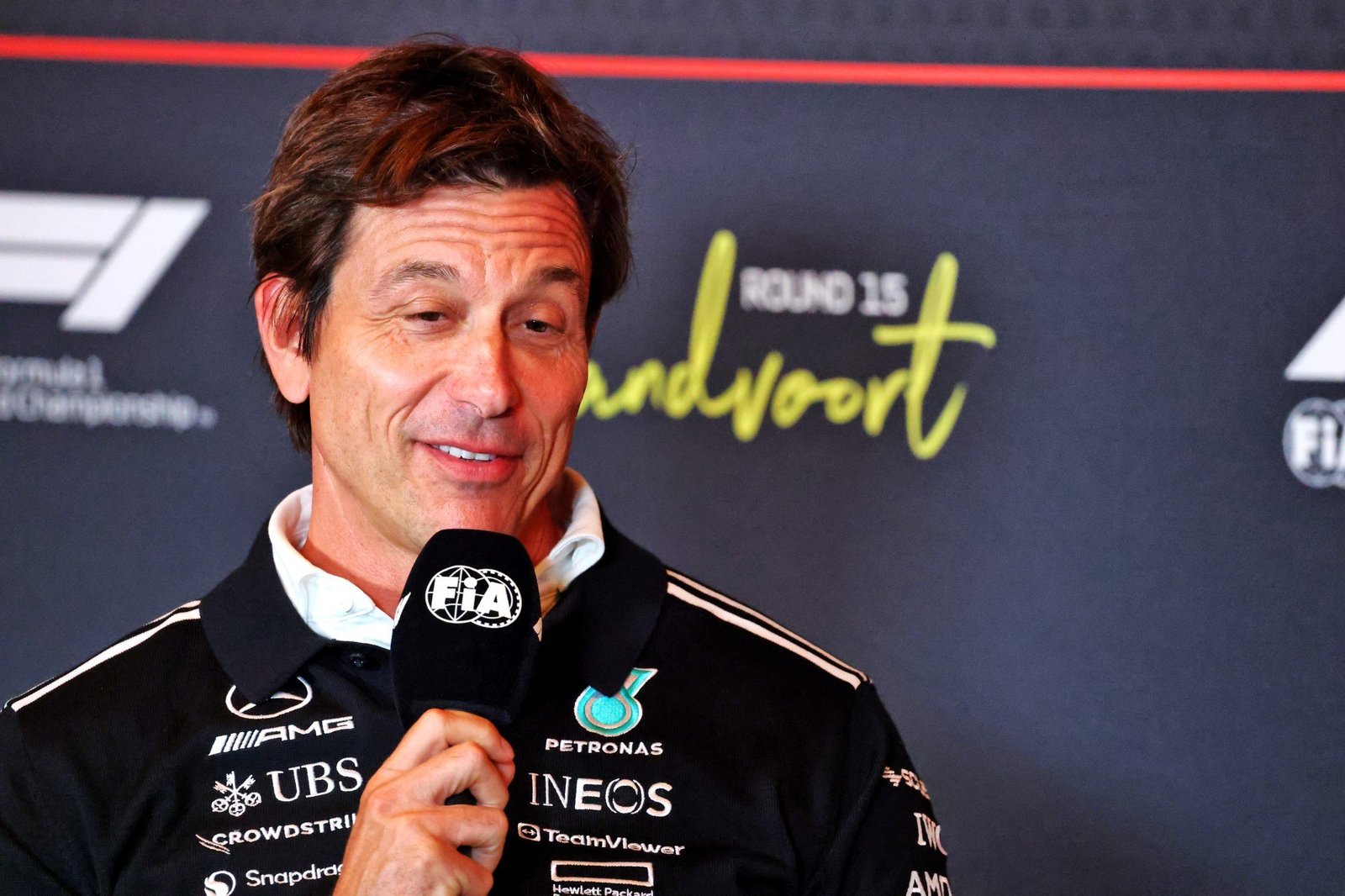
Toto Wolff Reflects on Christian Horner’s Departure from Red Bull in Formula 1
The world of Formula 1 is constantly evolving, and recent changes in team leadership have caught the attention of fans and insiders alike. One significant shift occurred with Christian Horner stepping down from his role at Red Bull Racing after the 2025 British Grand Prix. Toto Wolff, the head of Mercedes, shared insights on the impact of Horner’s departure and the new dynamics introduced by his successor, Laurent Mekies.
Christian Horner’s Legacy at Red Bull
Christian Horner has been a prominent figure in Formula 1, known for his leadership at Red Bull Racing. Since taking the helm of the team, he has guided it to numerous victories and championship titles, making Red Bull one of the most successful teams in the sport’s history. His departure marks the end of an era, one that has seen intense rivalries and thrilling competition.
Horner’s tenure was characterized not only by success on the track but also by his engaging personality off it. He often found himself at the center of rivalries and controversies, which added an intriguing layer to the sport. Toto Wolff highlighted this aspect of Horner’s character, noting that despite their competitive nature, he always appreciated Horner’s role as a formidable adversary.
Toto Wolff’s Reaction to Horner’s Departure
In a recent discussion, Wolff recounted a lighthearted exchange he had with Horner following the latter’s exit from Red Bull. Horner playfully remarked on his absence from the paddock, saying, “What are you going to do now because you love to hate me, and I’m gone!” This banter reflects the complicated yet respectful relationship between the two team principals.
Wolff acknowledged the historical significance of Horner’s contributions to Formula 1, stating, “His track record is impressive; he is one of the most successful figures in the sport.” He also mentioned that Horner was respected within the team at Milton Keynes, where Red Bull is based, highlighting that while they may not have always seen eye to eye, the competitive spirit they shared was invaluable.
The Shift in Dynamics with Laurent Mekies
With Horner’s departure, Laurent Mekies has stepped into the role of team principal at Red Bull. Wolff indicated that Mekies brings a different approach to team management, characterized by a calmer demeanor compared to Horner’s more aggressive style. This shift could influence how Red Bull interacts with competitors and how they position themselves within the broader context of Formula 1.
Wolff described Mekies as pragmatic and noted, “We are two very different people, but even your greatest rival can become your best friend.” This sentiment underscores the idea that while competition is fierce, there is also a camaraderie that exists among team principals who share a passion for the sport.
The Role of Rivalries in Formula 1
Rivalries are a cornerstone of Formula 1, often driving the narrative of the season and captivating audiences worldwide. Wolff emphasized the importance of having figures in the sport who are willing to embrace the role of the “villain.” He remarked, “Every film needs its heroes, villains, and characters that are a bit of both. Now that the villain is gone, it’s just me and Fred (Vasseur, head of Ferrari)… it took Fred a while to figure that out,” he joked.
This playful commentary highlights how essential these roles are in maintaining excitement and interest in the sport. The dramatic exchanges and competitive tensions between team leaders often translate into storylines that engage fans and keep them invested in the races.
The Importance of Colorful Personalities
Wolff further elaborated on the necessity of having bold personalities within Formula 1, referencing Horner as a key player in this regard. He described Horner as “direct, controversial, and a bit of a jerk,” who relished the role he played within the sport. According to Wolff, the presence of such characters is crucial for the health of the competition. “You need a villain; people need someone to root against,” he explained.
The dynamic between team principals often extends beyond the track, influencing media narratives and fan perceptions. Wolff expressed hope that the new generation of team leaders would authentically step into these roles, as there’s a need for genuine characters in the sport rather than those who merely try to play a part.
The Future of Formula 1 Leadership
As Formula 1 continues to evolve with new leaders and changing dynamics, the question remains about how these transitions will shape the future of the sport. The arrival of Mekies at Red Bull is just one example of how team leadership can impact the competitive landscape. Wolff’s reflections on Horner’s departure provide valuable insight into the relationships that define the sport, showcasing the balance between rivalry and respect.
The current landscape of Formula 1 is one where each team principal brings their own unique style and approach to leadership. As the sport grows and attracts new talent, the blend of personalities is likely to become even more diverse. This diversity can lead to richer narratives, heightened competition, and ultimately an exciting experience for fans.
Conclusion
Toto Wolff’s comments on Christian Horner’s exit from Red Bull and the introduction of Laurent Mekies reflect the intricacies of team dynamics in Formula 1. While Horner’s departure leaves a notable void, it also opens the door for new leadership styles and relationships within the sport. The essence of competition remains alive, fueled by the rivalries and unique personalities that have defined Formula 1 for decades. As the sport moves forward, the interplay between these elements will undoubtedly continue to captivate audiences around the world.
