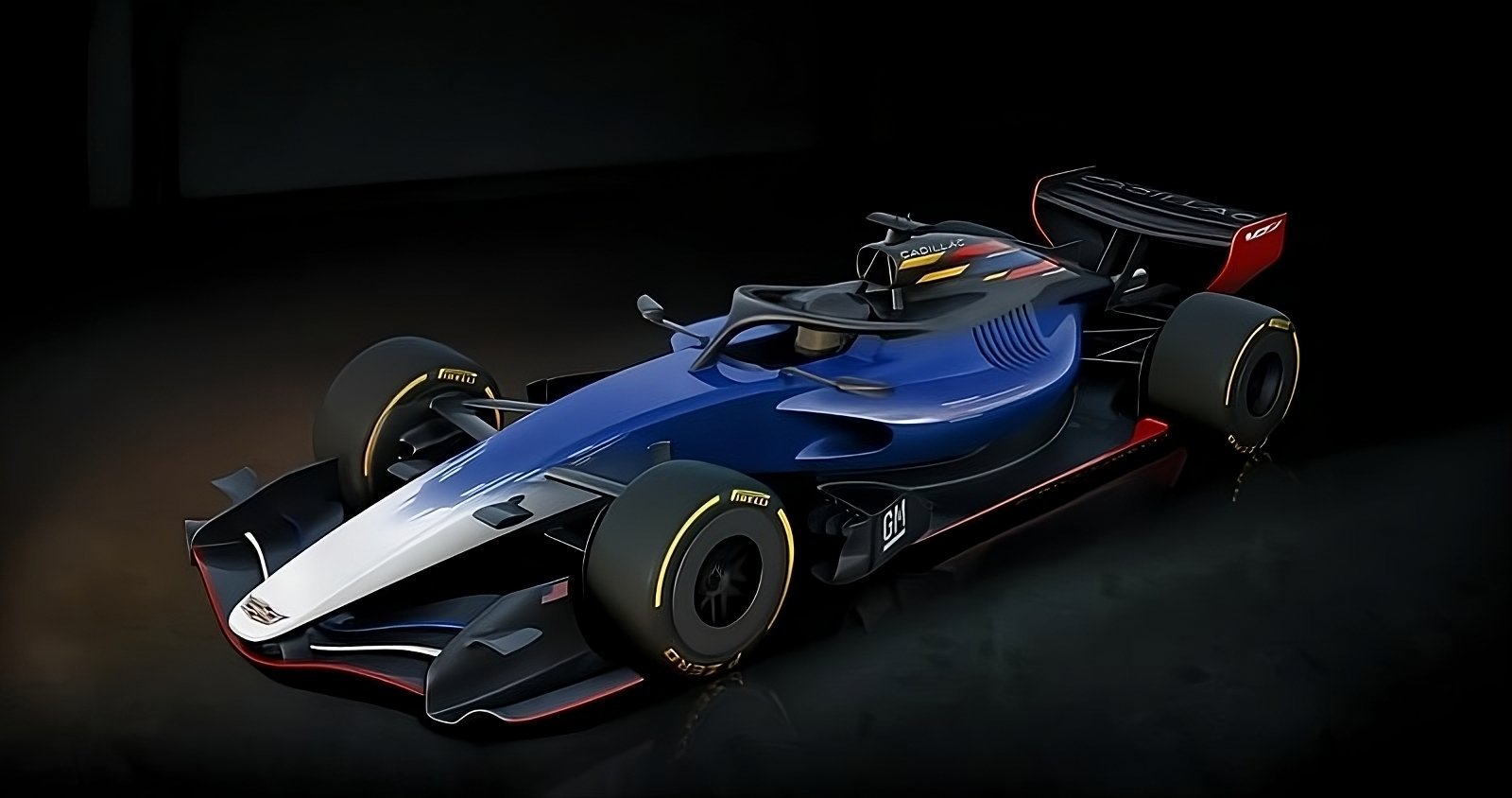
Cadillac’s Strategic Entry into Formula 1: Preparations for 2026
Cadillac is ramping up its efforts to enter the Formula 1 racing scene in 2026. The American automaker is actively seeking to partner with another team to loan a car that will be utilized strictly for pit stop training and operational simulations. This initiative aims to ensure that their crew and pit lane personnel are thoroughly prepared for the challenges of competing in the prestigious world championship, which is set to kick off in March of the following year.
Purpose of the Training Car
Graeme Lowdon, the head of Cadillac’s F1 project, elaborated on their strategy by emphasizing that the goal is not to gather technical data but rather to allow the team to practice operational procedures in a highly realistic environment. He stated that they are exploring testing opportunities within the parameters of the TPC (Testing with Previous Car) regulations. Despite not having a previous car to test with, Lowdon clarified that they do not necessarily need to conduct tests on a car itself.
Lowdon explained, “The title can be somewhat misleading because we don’t actually require testing on a car. We are only interested in simulating the experience.” The primary purpose of acquiring a loaned vehicle is to create scenarios that closely mimic actual race conditions. This approach is designed to enhance the team’s operational readiness ahead of their debut.
Collaboration with Ferrari
For their inaugural season, Cadillac plans to utilize Ferrari power units. As a result, securing a partnership with the Italian brand to borrow a car would significantly streamline their training efforts. Lowdon noted, “We are Ferrari customers, so it makes sense for us to work together. However, our primary aim isn’t to learn from the car itself. My main concern is ensuring that the vehicle matches the correct size and shape for our simulations.”
The focus is entirely on creating a training environment that helps the mechanics and pit crew practice as if they were already seasoned veterans. The color or specific model of the car is not a priority for Cadillac; the essential aspect is to simulate real race conditions effectively.
Alternative Plans and FIA Involvement
If Ferrari declines to provide a vehicle, Cadillac is open to negotiating with other teams, with the necessary approval from the FIA (Fédération Internationale de l’Automobile). Lowdon confirmed, “If we borrow a car from another team, the FIA will need to approve its use. We are involving the FIA at every step of the process because we have nothing to hide.”
This proactive engagement with the FIA demonstrates Cadillac’s commitment to transparency and compliance with the governing body’s regulations. Lowdon further emphasized that realistic simulations are critical for their learning curve, stating, “We want to utilize a car because, in all the simulations we have discussed, we strive to make them as close to reality as possible.”
Building a Strong Team
Cadillac is assembling a robust framework for its Formula 1 project. Beyond securing drivers and establishing technical infrastructure, the team is bringing in high-caliber professionals to expedite their preparation. Recently, they added the former president of the Miami Grand Prix and an engine engineer previously with Audi, enhancing their operational and development capabilities.
The addition of experienced personnel reflects Cadillac’s intention to approach their F1 entry with a serious commitment to competitiveness. By investing in talent and expertise, they are laying the groundwork for a successful debut.
Expanding American Presence in F1
Cadillac’s entry into Formula 1 signifies a continuation of the growing American presence in the sport, which already includes the Haas F1 Team and the addition of the Miami and Las Vegas Grands Prix to the calendar. This expansion is not only a testament to the increasing interest in F1 within the United States but also highlights the potential for American teams to establish themselves on the global racing stage.
Lowdon reiterated the importance of being competitive from the get-go, stating, “We expect our new team to be competitive right from the start, thanks to substantial technical and operational investments.” This ambitious outlook is crucial as they prepare for their first race.
Focus on Preparation and Adaptation
Cadillac’s strategy emphasizes minimizing the adaptation curve for their team. Lowdon stressed the significance of having their mechanics and pit stop crew fully prepared from day one, saying, “We want our pit crew and mechanics to be ready on the first day as if we have been racing for years. Every detail matters in this preparation phase.”
This meticulous attention to detail will be instrumental as the team gears up for their official debut at the Australian Grand Prix in 2026, which will inaugurate the Formula 1 season. Until then, Cadillac will continue with intensive training sessions and technical preparations to ensure they can compete on equal footing with more experienced rivals.
The Road Ahead
With their eyes firmly set on the future, Cadillac is committed to navigating the complexities of entering Formula 1. Their strategic planning, collaboration with established teams, and focus on realistic training simulations position them well as they prepare for this significant leap into the world of motorsport.
As the team continues to build their infrastructure and refine their operational methods, Cadillac aims to make a lasting impact in Formula 1. The enthusiasm and dedication surrounding their project reflect a broader trend of American automakers seeking to enhance their presence in international motorsport.
The excitement surrounding Cadillac’s entry into Formula 1 is palpable, and the upcoming years will be critical as they work to establish themselves as a competitive force in the sport. The combination of experienced personnel, strategic partnerships, and a commitment to thorough preparation will be crucial as they embark on this ambitious journey.
In conclusion, Cadillac’s approach to entering Formula 1 is marked by careful planning and a focus on operational excellence. As they prepare for their debut in 2026, the team’s efforts to secure a training vehicle and engage with industry partners demonstrate a commitment to success from day one. With a strong foundation and a clear vision, Cadillac is poised to make a significant mark in the world of Formula 1 racing.
