Medical Preparations for the Upcoming São Paulo Grand Prix: A Comprehensive Overview
As the São Paulo Grand Prix approaches, the medical team at Sancta Maggiore Hospital, part of the Prevent Senior group, has been diligently preparing for the event. On Saturday, November 1, the team conducted their final rehearsal at the iconic Interlagos racetrack, ensuring that they are fully equipped to handle any medical emergencies that may arise during the race weekend.
A Unique Simulation Experience
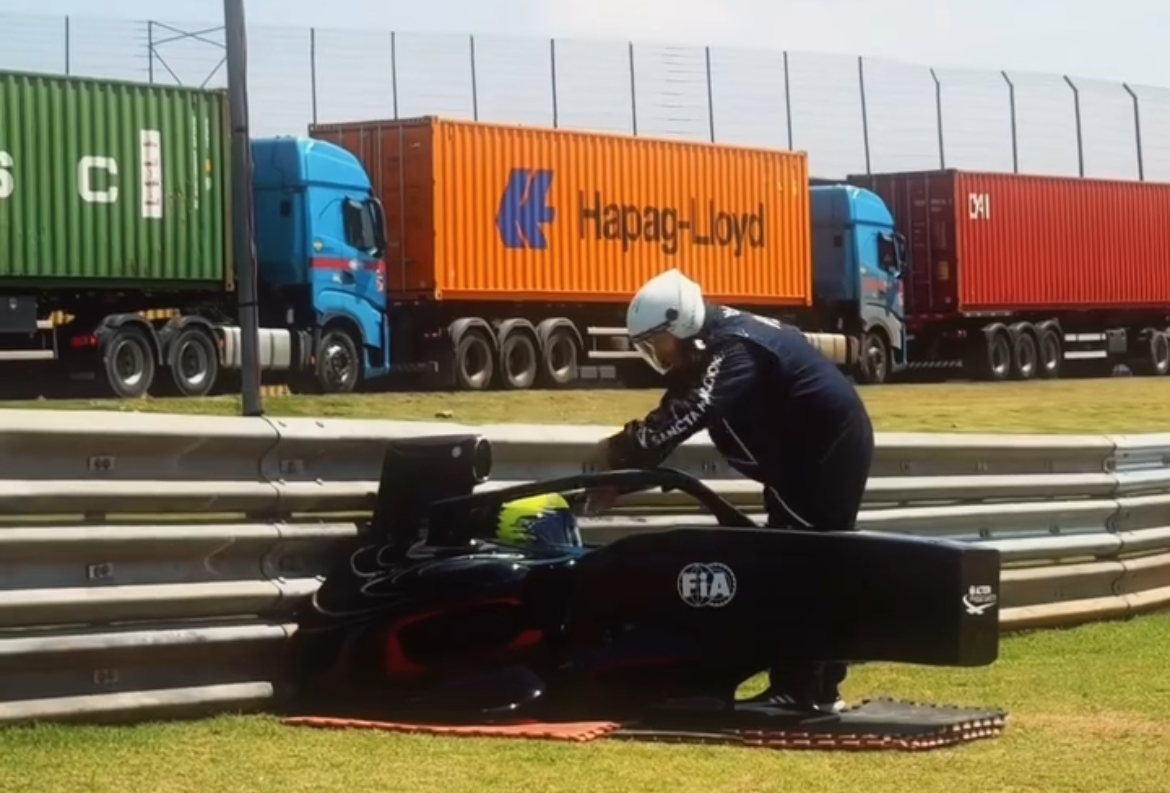
In a significant demonstration of their readiness, Dr. Gabriela Santos Feliciano once again took on the role of a race car driver involved in a simulated accident. This marks the eighth time she has participated in such drills, which are crucial for training the medical response team. During the simulation, she was transported via helicopter to the Dubai unit of the hospital responsible for the race, showcasing the protocols that are in place for real-life scenarios.
Dr. Feliciano was placed in an official cockpit provided by the International Automobile Federation (FIA) and underwent a thorough extraction process, including transport by both ambulance and helicopter. The choice to involve a physician in these simulations is strategic; it allows for precise communication of any necessary adjustments post-operation. “Every year, there are slight modifications to our procedures. However, everything has been running smoothly,” Dr. Feliciano noted, highlighting her expertise in pre-hospital care and her familiarity with the rigorous demands of this role.
Ensuring Safety on the Track
The Interlagos circuit is recognized for its safety features, as emphasized by race director Felippe Biazzi, who has overseen the medical team’s preparations. The last significant incident requiring a driver’s transport to the hospital occurred back in 2003, when Fernando Alonso was involved in an accident during a pit stop.
Dr. Dino Altmann, the Chief Medical Officer for the São Paulo Grand Prix, along with rescue chief Marcos Cunha from Sancta Maggiore and deputy medical director Pedro Rosolen, led the medical simulation. Their collective expertise ensures that the medical team is ready to respond effectively during the free practice sessions, qualifying rounds, and sprint races, as well as the main event on November 7, 8, and 9.
During these crucial days, a robust medical team will be present at Interlagos, comprising 33 doctors, 18 paramedics, and 25 nurses. In addition to the on-site team, medical professionals will also be on standby at the Sancta Maggiore units in Dubai and Itaim, ensuring comprehensive coverage for all potential medical needs.
A Well-Coordinated Medical Team
The preparedness of the medical team is evident, with each member well-versed in their specific roles and responsibilities. “The team is becoming increasingly synchronized. Everyone understands their function clearly. We are well-prepared,” states Marcos Cunha, reflecting the confidence of the medical team.
Furthermore, the potential for adverse weather conditions, such as rain, is factored into their protocols. In the event of an accident that hinders helicopter transport, the team has outlined procedures for ambulance transport, which will be escorted by police vehicles to ensure swift and safe passage.
Changes in Extraction Protocols
This rehearsal marked the last simulation involving the removable seats used in Formula 1 cars. Starting next year, the FIA will implement a recommendation from Dr. Altmann to eliminate these removable seats, as they have varying standards. “We are already prepared for the new extraction format for drivers,” explains Dr. Altmann, who has served as the medical director for the São Paulo Grand Prix since 2001. This proactive approach is indicative of the ongoing commitment to enhancing safety and efficiency in medical response protocols.
The Grand Prix Experience
The Formula 1 MSC Cruises Grande Prêmio de São Paulo 2025 is set to take place at the Interlagos racetrack, scheduled for November 7-9. This event not only draws motorsport enthusiasts from around the world but also emphasizes the significance of safety and medical preparedness in high-speed racing environments.
The meticulous planning and execution by the medical team at Sancta Maggiore reflect a broader dedication to ensuring the safety of drivers, teams, and spectators alike. By simulating real-life scenarios and refining their procedures, the team is taking vital steps to enhance the overall safety of the event.
Conclusion
The ongoing commitment to safety and preparedness exhibited by the Sancta Maggiore medical team is commendable. As they gear up for the upcoming São Paulo Grand Prix, their rigorous training and strategic planning will play a crucial role in addressing any medical emergencies that may arise during the high-stakes racing weekend. With a well-coordinated team and comprehensive protocols in place, both the drivers and fans can look forward to an exciting and safe race experience at Interlagos.
