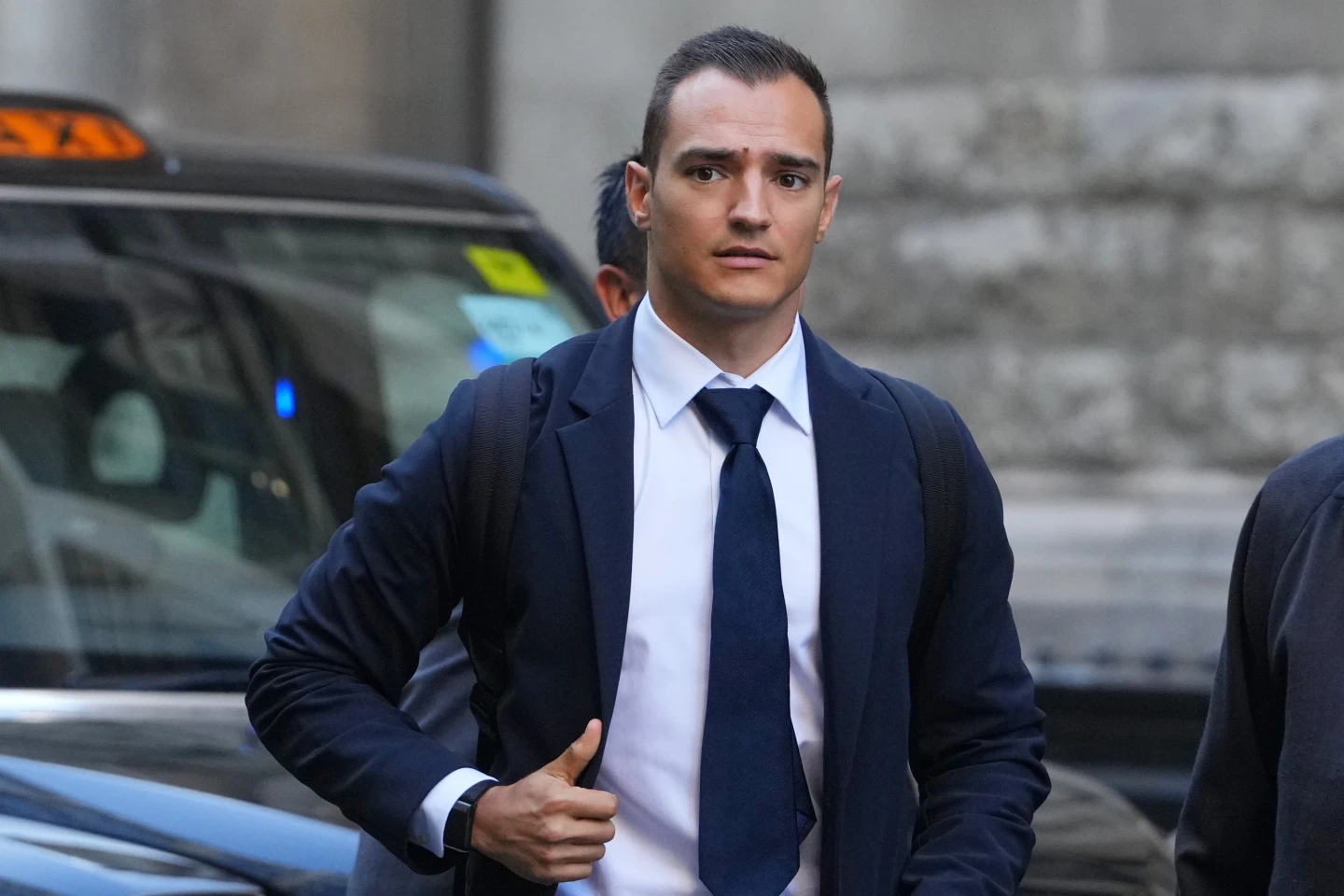
The Legal Showdown Between Alex Palou and McLaren: A Deep Dive
The ongoing legal battle between Spanish racing driver Alex Palou and British team McLaren is nearing its conclusion. The trial concerning the lawsuit filed by McLaren against the 28-year-old driver kicked off on September 29, 2025, in London. This high-stakes dispute is expected to unfold over the upcoming weeks, and possibly months, before a final ruling is reached.
Background of the Dispute
The conflict originated in August 2023 when Palou decided to terminate a contract he had signed with McLaren, which would have seen him racing for the team from 2024 to 2026. Instead, he opted to extend his contract with Chip Ganassi Racing (CGR), a decision that has since paid off with two additional IndyCar titles, bringing his career total to four championships.
McLaren is seeking approximately $25 million in damages, a figure that has been revised down from an initial claim exceeding $30 million. The team asserts that they incurred financial losses due to Palou’s absence on their roster, which includes:
- A decline in sponsorship revenue,
- Reduced funding from manufacturers,
- The necessity to pay other drivers,
- Elevated salaries for substitute drivers,
- Costs associated with Formula 1 testing sessions conducted with Palou.
The crux of the matter revolves around the contracts Palou signed with McLaren back in October 2022. These agreements encompassed not only racing duties but also image and promotional rights, as well as a role as a reserve driver in Formula 1. As a show of goodwill, McLaren had even disbursed a $400,000 signing bonus in January 2023.
However, in August 2023, Palou’s attorney notified McLaren that the driver had entered into a new contract with Ganassi for the same 2024-2026 timeframe. This revelation prompted an immediate legal response from McLaren, leading to the current lawsuit for breach of contract.
The Context of the Rivalry
The rivalry between McLaren and Ganassi over Palou is not a new phenomenon. In 2022, CGR exercised its renewal option to retain the driver for another season, while also granting him an exit clause at the end of 2023. During that same year, Palou began testing for F1 with McLaren and participated in free practice sessions in Austin and Hungary. These events fueled speculation about a potential seat alongside Lando Norris. However, the arrival of Oscar Piastri ultimately closed that door for Palou.
Meanwhile, Palou continued to thrive with Ganassi, securing the 2023 championship and maintaining his dominance in 2024 and 2025, even managing to outpace Arrow McLaren on the racetrack.
Key Phases of the Trial
The trial is structured in several phases, each with specific focuses and activities designed to clarify the facts of the case.
Week 1: Initial Arguments
The first week of the trial is dedicated to the presentation of initial arguments from both sides. Each party lays out its case, providing a framework for what they aim to prove throughout the legal proceedings.
Week 2: Witness Testimonies
In the second week, witnesses and experts from both sides will take the stand. Among the expert witnesses accepted in the IndyCar realm are Julian Jakobi and Brian Marks. In the world of Formula 1, former executives Otmar Szafnauer and Claire Williams will lend their insights, adding depth to the testimony.
Week 3: Court Recess
Following the second week, the trial will take a recess. This pause is necessary as the presiding judge will need to attend to other cases, temporarily halting the proceedings.
Week 4 and Beyond: Final Arguments and Verdict
As the trial progresses into its fourth week, the final analysis and possible verdict will be presented. While the decision is anticipated by the end of 2025, it is also possible that the ruling could extend into 2026, depending on the complexities involved.
What’s at Stake
Palou has acknowledged the breach of contract, but his defense team contests the monetary figures proposed by McLaren. They argue that the damages cited are exaggerated, aiming to minimize the potential financial liability. If the court sides with McLaren, it could compel Palou to pay one of the largest fines ever seen in recent motorsport contractual disputes.
Despite the legal turmoil, Palou continues to make a name for himself in IndyCar with Ganassi. However, he carries an additional burden outside the racetrack: the looming threat of a hefty financial penalty that could jeopardize his future independence as a driver.
Implications for Palou’s Career
The outcome of this legal battle could have significant implications for Palou’s career trajectory. Should the court rule against him, he may face steep financial repercussions that could affect his ability to secure future contracts or partnerships in motorsport. On the other hand, a favorable ruling could reinforce his status in the racing community, allowing him to focus on his performance on the track without the weight of legal worries.
Furthermore, this situation underscores the complexities and pressures that drivers face in a highly competitive environment. The interplay between contractual obligations and personal aspirations can lead to challenging dilemmas, as we see with Palou’s decision to switch allegiances in the racing world.
The Broader Landscape of Racing Contracts
This legal dispute sheds light on the broader landscape of racing contracts and the often turbulent nature of driver-team relationships. The motorsport industry is characterized by fierce competition, not just on the racetrack but also in securing and maintaining talent. Teams invest considerable resources in drivers, hoping that their investment will yield success in the form of championships and increased sponsorship revenue.
As the sport continues to evolve, the importance of clear contractual agreements becomes paramount. Teams and drivers alike must navigate the intricacies of contractual obligations while also being mindful of the potential for disputes. The Palou-McLaren case serves as a cautionary tale for both parties involved, emphasizing the need for transparency and clarity in all agreements.
The Future of Chip Ganassi Racing
Beyond Palou’s individual situation, the outcome of this case will also impact Chip Ganassi Racing as a whole. The team has established a strong reputation in the IndyCar series and has a history of nurturing talent. The loss of a driver of Palou’s caliber could have repercussions for CGR’s competitive standing and its ability to attract top-tier talent in the future.
Conversely, if Palou is able to continue his successful partnership with Ganassi, it may bolster the team’s position in the racing hierarchy. Success in the form of championships and strong performances can enhance the team’s visibility and attractiveness to sponsors, ultimately contributing to its long-term viability in the sport.
Conclusion
As the legal battle between Alex Palou and McLaren unfolds, the implications extend far beyond the courtroom. This case highlights the intricate web of contracts, expectations, and ambitions that define the world of professional racing. The outcome will not only shape Palou’s career but also influence the future of Chip Ganassi Racing and set precedents for how contractual disputes are handled in the motorsport industry. With the trial ongoing, all eyes will be on London as the racing community awaits the final verdict in this high-stakes showdown.
